Cart
0

Some gemstones are made to sparkle, while others make you look closer. A smooth, polished cabochon can reveal a natural glow, pattern, or flash of color that feels completely its own.
If you have ever searched for what is a cabochon, the answer is simpler than it sounds. A cabochon is a gemstone shaped and polished with a smooth, curved surface instead of traditional facets. But what makes this style special, how is it made, and what should you look for when choosing one? Let’s take a closer look.
What Is Cabochon?
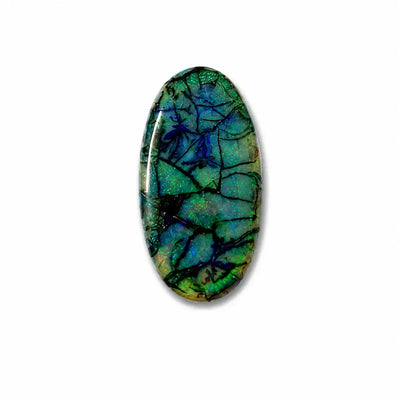
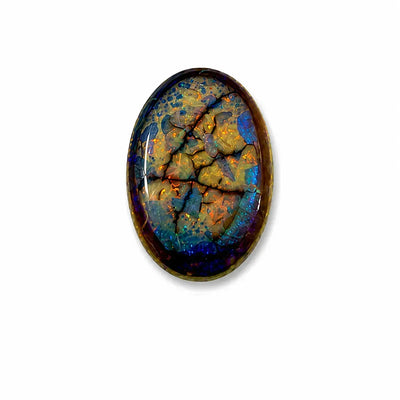
At its simplest, a cabochon is a gemstone shaped and polished into a smooth, usually rounded or domed form instead of having multiple flat facets.
This style puts the stone itself in the spotlight. Rather than creating sharp angles for intense sparkle, the smooth surface allows the gemstone’s color, pattern, translucency, and optical effects to remain the focus.
So, if someone asks you to define cabochon, think of it as
A gemstone with a smooth, polished, curved surface rather than traditional facets.
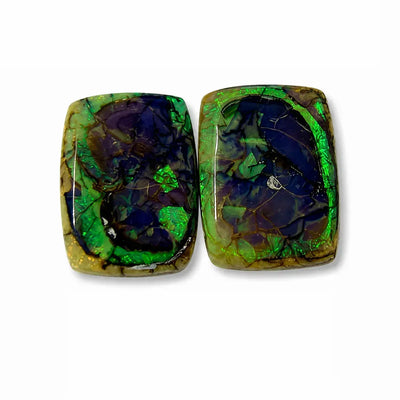
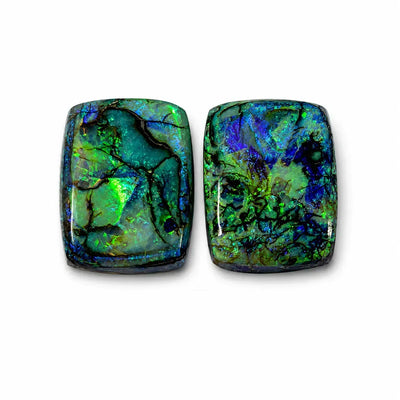
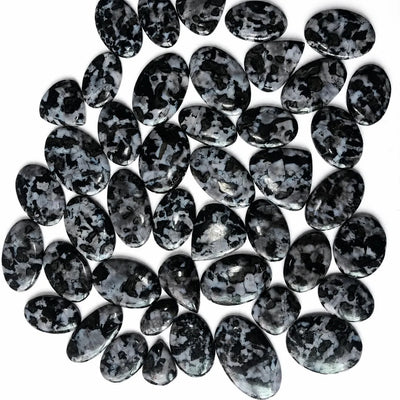
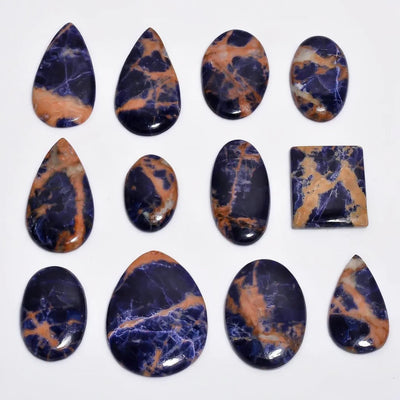
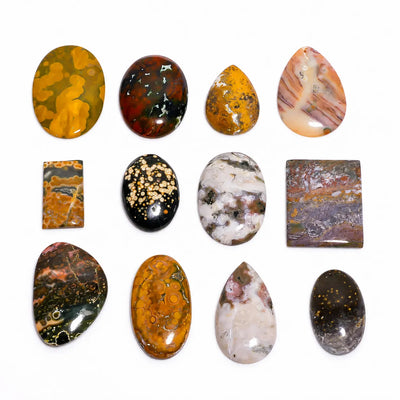
Cabochons can be round, oval, pear-shaped, cushion-shaped, or even completely freeform. Importantly, a cabochon is not a separate type of gemstone; it is a style of cutting and polishing that can be used with many different gemstones.
What Is the Meaning of Cabochon?
The cabochon meaning is closely connected to how the stone is shaped and finished. Unlike a faceted gemstone, which has multiple flat surfaces designed to reflect light, a cabochon has a smooth, curved surface, often with a gentle dome.
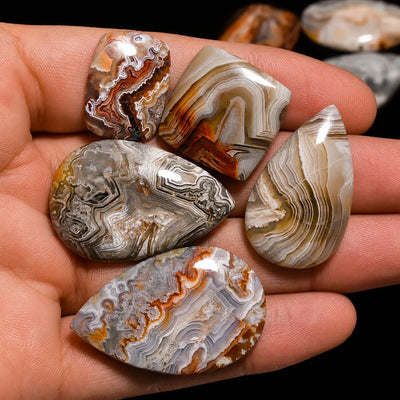
The idea is not always to maximize sparkle but to bring attention to the stone's natural personality. Its color, patterns, translucency, or optical effects can become much more noticeable across the uninterrupted surface.
That is why the cabochon meaning is more than just a shape. It represents a way of cutting that allows the natural character of the stone to take center stage and let the stone speak for itself.
What Does Cabochon Mean in Jewelry?
When you see the term in a jewelry description, it tells you something about how the gemstone has been shaped, not what gemstone it is.
A cabochon may be set into:
A smooth gemstone can give a piece a softer, more organic appearance. It can also make natural patterns and color variations easier to appreciate.
For example, an opal cabochon can allow the stone's play of color to spread naturally across its curved surface instead of being interrupted by numerous facets.
This is one reason the cabochons definition matters to jewelry buyers. Once you understand the cut, you can look at a jewelry piece and understand why its gemstone has that particular shape and appearance.
What Is a Cabochon Used For?
A cabochon is primarily used to create jewelry and decorative pieces where the gemstone's surface, color, pattern, or optical character is meant to be the main attraction.
Unlike a highly faceted gemstone that is often chosen for brilliance, a cabochon can be especially effective when the beauty lies in the material itself.
Common uses include:
-
Rings: Smooth stones can create bold or understated statement rings.
-
Pendants: Larger cabochons have plenty of surface area to display patterns and color.
-
Earrings: Smaller stones can add a subtle touch of color without excessive sparkle.
-
Bracelets: Multiple cabochons can be combined to create a coordinated design.
-
Brooches: Larger or unusual shapes can become the centerpiece.
-
Decorative pieces: Some cabochons are collected simply for their natural beauty.
A particularly interesting part of cabochon jewelry is that the same gemstone can look completely different depending on its shape, size, setting, and polish.
What Are the Different Cabochon Shapes?
There is no single shape that defines a cabochon.
The most familiar shape may be the oval, but designers and cutters use many forms depending on the gemstone and the jewelry design.
Popular cabochon shapes include:
-
Oval: Classic, balanced, and easy to use in rings and pendants.
-
Round: Clean and symmetrical, with a timeless appearance.
-
Pear: Elegant and slightly more dramatic, especially in pendants.
-
Cushion: Combines soft corners with a substantial appearance.
-
Square: Gives a more structured and contemporary look.
-
Rectangle: Works well for elongated jewelry designs.
-
Freeform: Follows a more natural or unusual outline and can make a piece feel completely one-of-a-kind.
The right shape isn't simply a matter of personal preference.
A skilled cutter considers the rough material and determines which outline will make the most of what is already inside the stone.
How Is a Cabochon Cut Made?
A beautiful cabochon begins with the rough material.
Before any cutting takes place, the material is examined for its color, pattern, inclusions, transparency, and other characteristics. The cutter then decides how the stone should be positioned and shaped.
The general process includes:
-
Selecting the rough material
The best portion of the material is chosen according to its quality and natural features. -
Creating the outline
Excess material is removed, and the stone is shaped into its intended outline. -
Forming the curved top
The upper surface is carefully shaped into the characteristic dome. -
Smoothing the surface
Finer abrasives gradually remove marks and imperfections created during shaping. -
Polishing
The final stage produces the smooth surface that gives the cabochon its finished appearance.
The goal isn't simply to make the stone look polished.
It is to preserve and reveal the features that made the rough material worth cutting in the first place.
For instance, a raw opal stone may look very different before cutting and polishing. The finished form can reveal colors and patterns that were difficult to appreciate in its rough state.
Is Cabochon Expensive?
A cabochon is not automatically expensive simply because it has been cut in this style.
If you're asking is cabochon expensive, the answer depends on the material and its individual quality rather than the word “cabochon” itself.
A common gemstone can be relatively affordable, while a rare, high-quality stone with exceptional color or optical effects can be considerably more valuable.
What can influence the value?
-
Type of gemstone
-
Color and color intensity
-
Pattern and visual character
-
Size and weight
-
Clarity or translucency
-
Rarity
-
Optical effects
-
Quality of cutting and polishing
-
Natural or treated status
Don't assume higher prices mean better beauty; sometimes moderate stones resonate more with you.
What Affects Cabochon Stone Price?
The cabochon stone price can vary even between two stones made from the same material. Several factors can influence how a cabochon is valued:
-
Color: One stone may have a stronger or more desirable color than another.
-
Pattern: Natural patterns can make a particular stone more distinctive and appealing.
-
Optical effects: Some stones show special effects that appear when the cabochon is tilted under light.
-
Polish: A smooth, well-finished surface can make the stone look significantly more refined.
-
Shape: A pleasing outline and balanced dome contribute to the overall appearance.
-
Overall quality: A larger stone with dull color or poor polish may be less appealing than a smaller stone with exceptional character.
When buying, look beyond size alone. The natural qualities and craftsmanship of the cabochon are what give each stone its individual value.
What Is the Spiritual Meaning of a Cabochon Stone?
The cabochon stone spiritual meaning can vary depending on the gemstone and the beliefs of the person wearing it. Some traditions associate these stones with qualities such as grounding, protection, calmness, intuition, and emotional balance.
-
Grounding: Some stones are traditionally associated with stability and a sense of being grounded.
-
Protection: Certain gemstones are believed in crystal traditions to offer protective energy.
-
Calmness: Some cabochon stones are connected with peace and emotional balance.
-
Intuition: Gemstones are sometimes chosen for their traditional connection with inner awareness and intuition.
-
Personal meaning: A stone can also represent a person, milestone, place, or special moment in your life.
These cabochon stone spiritual meaning belong to crystal and gemstone traditions rather than scientific properties. Ultimately, the most meaningful stone may simply be the one that means something to you.
How to Choose the Right Cabochon
Choosing a cabochon should feel less like ticking specifications off a checklist and more like discovering which stone deserves a place in your jewelry. Start by looking at the stone from different angles.
Move it under the light.
Look at the surface.
Then ask yourself what keeps drawing your attention.
Before buying, consider:
-
Color: Is it the shade you genuinely want to wear?
-
Pattern: Does the natural pattern add character?
-
Surface: Is the polish smooth and clean?
-
Shape: Does it suit the jewelry you have in mind?
-
Size: Is it appropriate for the setting?
-
Durability: Can the stone handle the way you intend to wear it?
-
Treatment: Has the gemstone been treated, and has this been clearly disclosed?
-
Origin: Is the seller transparent about what they know about the stone?
If you're buying several stones for a jewelry project, consistency may matter as well. Designers looking for bulk cabochons may need to consider matching sizes, shapes, colors, or materials depending on the collection they are creating.
Why Cabochons Make Jewelry Feel More Personal
A cabochon does more than add color to a jewelry piece. Its smooth surface gives you the chance to notice the little details that make one natural stone different from another.
-
A faceted stone may catch your eye immediately with its sparkle, while a cabochon can hold your attention for longer.
-
You may notice a tiny inclusion that looks like a mark naturally painted across the stone.
-
A subtle color change can appear as you move the cabochon under the light.
-
Two stones from the same gemstone variety may look completely different because of their natural patterns and variations.
-
An Ethiopian opal, for example, can display fascinating color and pattern variations that become part of its character when preserved in a polished cabochon.
-
These natural differences can make the finished jewelry feel more individual because no two stones necessarily tell the same visual story.
-
The appeal isn't always about finding the most flawless or expensive stone. Sometimes, it is the small detail that makes you keep looking at one particular piece.
-
That is what makes a cabochon feel personal: you are not simply choosing a stone that looks beautiful; you are choosing the one that feels like yours.
A Cabochon Can Change the Entire Mood of a Piece
The setting and gemstone must complement each other. A dark cabochon in a simple metal setting can appear sophisticated, while a colorful stone becomes the focal point of a pendant. A large freeform piece makes a bold statement with minimal decoration.
The same gemstone can tell different stories based on its presentation. Thus, purchasing a cabochon is about envisioning its next life—as jewelry, a gift, or an everyday piece.
At Hornet Gems, the focus is on harmonizing the gemstone with the finished jewelry, allowing its natural character to shape the identity of the piece rather than just placing it in a setting.
Conclusion
A cabochon is a gemstone that is shaped and polished to highlight its natural beauty. Unlike faceted gems, cabochons offer an opportunity to appreciate the stone’s color, pattern, glow, and texture. Understanding what is a Cabochon enhances your ability to choose one, as you begin to see why certain shapes or smooth surfaces suit specific stones.
When you find the right cabochon that captures your attention and inspires you to envision it in jewelry, the choice becomes effortless. Some stones sparkle, while others tell a story; the best cabochons do both in their unique way.
Read More: Gemstone vs Crystal
FAQs:
Q1: What Is a Cabochon Stone?
Ans: A cabochon stone is a gemstone shaped and polished with a smooth, usually curved or domed surface. Unlike a faceted gemstone, it does not have multiple flat surfaces cut to create brilliance.
Q2: Where to Buy Cabochons?
Ans: You can buy cabochons from specialist gemstone sellers, jewelry suppliers, lapidaries, and established online gemstone stores. Look for clear information about the gemstone type, dimensions, treatment, quality, and condition before purchasing.
Q3: What Is a Cabochon Cut?
Ans: A cabochon cut is a style of gemstone cutting in which the stone is given a smooth, polished surface, usually with a rounded or domed top. It is commonly used for stones whose color, pattern, or optical effects are more important than faceted sparkle.
Q4: What Is the Difference Between a Cabochon and a Faceted Gemstone?
Ans: A cabochon has a smooth curved surface, while a faceted gemstone has multiple flat surfaces cut at specific angles. Cabochons tend to emphasize color, patterns, and optical effects, whereas faceting is generally used to enhance brilliance and sparkle.
Q5: How Are Cabochons Made?
Ans: Cabochons are made by selecting suitable rough material, shaping it into an outline, forming the curved top, smoothing the surface with progressively finer abrasives, and finally polishing it.
Q6: Can Cabochons Be Used in Everyday Jewelry?
Ans: Yes, but the suitability depends on the gemstone and the type of jewelry. A cabochon used in a ring may experience more impact and abrasion than one used in a pendant, so the stone's durability should always be considered before choosing it for everyday wear.