Cart
0

Written by Katarina Alves · Last updated: October 22, 2026
Silver is a popular choice for jewelry because of its shine, versatility, and timeless appeal. But not every silver piece is made in the same way.
Different purity levels and metal combinations create different types of silver, each with its own characteristics. Knowing the difference can help you choose jewelry that suits your style, budget, and everyday needs.
Quick Answer
The main types of silver differ in how much pure silver they contain and which metals are added:
- ◆Fine silver (999): about 99.9% pure, but soft.
- ◆Britannia silver (958): about 95.8% pure, mostly found in antique and decorative pieces.
- ◆Sterling silver (925): 92.5% pure, usually mixed with copper. Stronger than fine silver and widely used for jewelry.
- ◆Argentium silver: a modern alloy with germanium, known for better tarnish resistance.
- ◆Coin silver: around 90% pure, associated with older coins and antiques.
- ◆Silver-plated: only a thin silver layer over a base metal, so it is not solid silver.
For everyday jewelry: sterling silver is usually the most practical choice because it balances purity, strength, and price.
What Types of Silver Are There?
If you have ever looked at a silver hallmark and wondered what it means, the number usually tells you something about the silver's purity.
Some of the most common varieties include:
-
Fine silver
-
Sterling silver
-
Britannia silver
-
Argentium silver
-
Coin silver
-
European or continental silver
-
Silver-plated materials
The biggest difference between these different types of silver is how much pure silver they contain and what other metals are added.
Fine Silver
Fine silver is one of the purest forms of silver and generally contains about 99.9% pure silver. It is commonly marked as 999 or .999. Because it contains very little alloy metal, fine silver is softer than many other silver varieties. This makes it less suitable for jewelry that experiences a lot of daily wear.
It is often used for coins, bullion, decorative pieces, and other applications where high purity is important.
Sterling Silver
Sterling silver contains 92.5% pure silver, with the remaining 7.5% usually made up of other metals, such as copper. It is commonly marked 925 or Sterling. Adding other metals makes sterling silver stronger and more practical than fine silver, which is why it is widely used for jewelry and silverware.
If you are comparing different silvers for everyday jewelry, sterling silver is one of the most commonly encountered options.
Britannia Silver
Britannia silver contains approximately 95.8% pure silver. It is a traditional silver standard that has been associated with British silverware and historical pieces. It has a higher silver content than sterling silver but is still alloyed to provide greater strength than fine silver.
You are more likely to find Britannia silver in certain antique, decorative, or collectible pieces than in everyday modern jewelry.
Argentium Silver
Argentium silver is a modern silver alloy that contains a high percentage of silver along with germanium. One of its main advantages is improved resistance to tarnishing compared with traditional sterling silver. This makes it an interesting option for people who want silver jewelry that requires less frequent polishing.
Because of its composition and specialized production, Argentium silver can also be more expensive than standard sterling silver.
Coin Silver
Coin silver traditionally refers to silver containing around 90% pure silver. The term comes from its historical use in coins and objects made from melted or recycled silver coins. Older American silver items may sometimes be described as coin silver.
Today, this type of silver is more commonly associated with antiques and historical pieces than newly produced jewelry.
Types of Silver for Jewelry
When choosing types of silver for jewelry, purity is important, but it isn't the only thing to consider.
Fine silver has a higher purity but is relatively soft. Sterling silver has slightly less pure silver but offers better durability for regular wear. Argentium silver can be useful when tarnish resistance is a priority.
This is why the “best” silver depends on how you plan to use the jewelry.
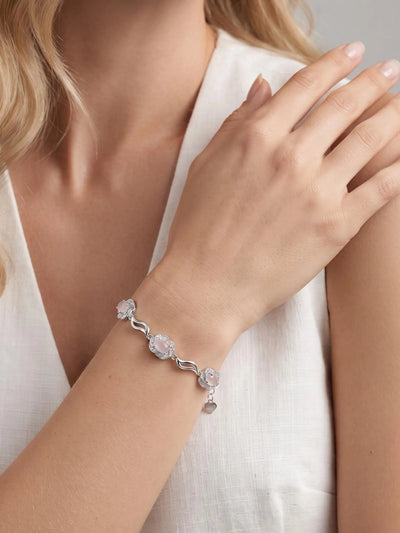
For everyday pieces such as sterling silver bracelets, durability can be just as important as purity.
Which Type of Silver Suits You Best?
| Silver Type | Main Strength | Main Limitation | Best Suited For |
|---|---|---|---|
| Sterling Silver (925) | Stronger than fine silver, widely used for jewelry | Slightly less pure than fine silver | Everyday jewelry |
| Fine Silver (999) | Highest purity | Soft, less suitable for daily wear | Decorative pieces, coins, and bullion |
| Argentium Silver | Better tarnish resistance | Can cost more than sterling silver | People who want less frequent polishing |
| Silver-Plated | Lower cost | The silver coating can wear away over time | Affordable jewelry and decorative items |
| Britannia and Coin Silver | Traditional silver standards | Mostly found in antique pieces | Collectors and antique or decorative pieces |
Silver-Plated Jewelry
Silver-plated jewelry is different from solid silver alloys. Instead of being made primarily from silver, it has a thin layer of silver applied over a base metal. This gives the jewelry a silver-like appearance while keeping the cost lower. The silver coating can wear away over time, especially on areas that experience frequent friction.
So, when buying silver jewelry, it is important to understand whether you are purchasing solid sterling silver or a silver-plated piece.
Different Kinds of Silver and Their Purity
Looking at the different kinds of silver becomes easier when you compare their approximate purity:
|
Silver Type |
Approximate Purity |
Common Use |
|
Fine Silver |
99.9% |
Bullion, coins, decorative pieces |
|
Britannia Silver |
95.8% |
Historical and decorative pieces |
|
Sterling Silver |
92.5% |
Jewelry and silverware |
|
Argentium Silver |
93.5%–96% |
Jewelry |
|
Coin Silver |
Around 90% |
Older coins and antiques |
|
European Silver |
Varies |
Antique jewelry and silverware |
|
Silver-Plated |
Thin silver layer |
Affordable jewelry and decorative items |
These grades show why the term “silver” alone doesn't always tell you exactly what an item is made from.
Types of Silver Jewelry
The types of silver jewelry you find in the market can range from simple everyday designs to detailed statement pieces.
Silver is commonly used for:
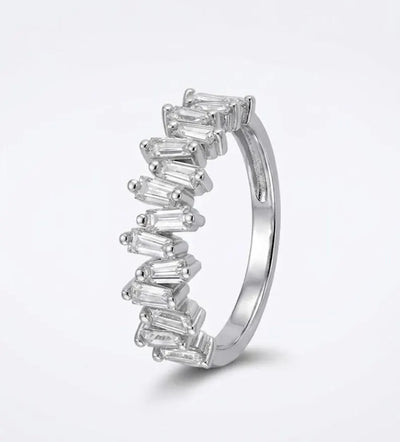
For example, a sterling silver ring can be a practical choice for regular wear because sterling silver is stronger than fine silver.
Similarly, sterling silver earrings can work well for everyday styling, while larger silver pieces can make a stronger statement.
Silver Types and Prices
When comparing silver types and prices, purity can affect the raw material value, but it doesn't determine the final jewelry price by itself.
The price of a finished piece can also depend on:
-
Weight
-
Design
-
Craftsmanship
-
Gemstones
-
Brand
-
Finishing
-
Rarity
A higher-purity silver piece isn't automatically more expensive than a beautifully designed piece made from sterling silver.
This is particularly important when comparing retail jewelry because you are paying for the complete piece, not just the silver inside it.
Read More: How Much Is 925 Silver Worth? A Simple Guide to Silver Value
How to Identify Different Silver Types
The easiest place to start is the hallmark or stamp on the piece.
Common markings include:
-
999 – Fine silver
-
958 – Britannia silver
-
925 – Sterling silver
-
Sterling – Usually sterling silver
However, markings can vary depending on the country, manufacturer, and age of the item.
Terms such as German silver or nickel silver can also be confusing. Despite their names, these materials traditionally contain no actual silver and are generally base-metal alloys designed to resemble it.
If you are unsure about an expensive or antique piece, professional testing is a safer way to confirm its composition.
Silver Names You Should Know
There are many silver names used in jewelry and silverware, but they don't all describe the same material.
Fine silver, sterling silver, Britannia silver, Argentium silver, and coin silver refer to different compositions or standards.
Understanding these names can help you look beyond the appearance of a piece and determine what you are actually buying.
For example, a sterling silver necklace can have genuine precious-metal value, while a similarly colored silver-plated necklace has a very different composition.
Which Silver Is Best for Everyday Jewelry?
For most everyday jewelry, sterling silver is a practical choice because it offers a good balance of purity, strength, and affordability. Fine silver may be better when very high purity is the priority, while Argentium silver can be appealing if you prefer improved tarnish resistance.
There isn't one type of silver that is perfect for everyone. Your choice should depend on how often you wear the piece, how much maintenance you want to do, and what kind of design you prefer.
At Hornet Gems, the material is only part of the story. Good jewelry also comes down to design, craftsmanship, and the overall quality of the piece.
925 Silver vs. 999 Silver
One of the most common comparisons is between 925 and 999 silver.
925 silver contains 92.5% pure silver, while 999 silver contains approximately 99.9% pure silver.
The higher purity of 999 silver also makes it softer. For everyday jewelry, 925 silver is often preferred because its additional alloy metals give it greater strength.
So, choosing between them isn't simply about which contains more silver. It is also about how the piece will be used.
If you want to know how 925 silver is valued, read our guide on how much 925 silver is worth.
How to Choose the Right Silver
Before buying silver jewelry, consider three things: purity, durability, and purpose.
If you want jewelry for everyday wear, sterling silver is a reliable option. If purity is your main priority, fine silver may be more suitable. You should also check the hallmark and make sure you understand whether the piece is solid silver, an alloy, or silver-plated.
Most importantly, choose silver types that fit your lifestyle and the way you actually plan to wear it.
Conclusion
Understanding different types of silver can help you choose jewelry confidently. Sterling silver is popular for everyday wear due to its high silver content and durability. Before purchasing, check the hallmark and silver grade to ensure you know what you're buying. This knowledge will help you select beautiful, lasting silver jewelry.
Read More: Fine Jewelry vs Fashion Jewelry: Key Differences Explained
FAQs:
Q1: What Is the Best Silver for Jewelry?
Ans: Sterling silver is one of the most popular choices for jewelry because it offers a good balance of silver content, durability, and affordability. The best option can still depend on how the jewelry will be worn.
Q2: How Many Types of Silver Are There?
Ans: There is no single fixed number because silver standards vary by country and historical period. Common varieties include fine silver, sterling silver, Britannia silver, Argentium silver, and coin silver.
Q3: What Is the Cheapest Type of Silver?
Ans: Silver-plated jewelry is generally less expensive because it uses only a thin layer of silver over another metal. Among solid silver alloys, price depends on purity, weight, craftsmanship, and design.
Q4: Which Type of Silver Is the Most Expensive?
Ans: Higher-purity silver can have a higher raw metal value, but the price of finished jewelry also depends on craftsmanship, gemstones, design, brand, and rarity. Purity alone does not determine the final price.
Q5: Which Is Better, 925 Silver or 999 Silver?
Ans: For everyday jewelry, 925 silver is generally more practical because it is stronger than 999 silver. 999 silver has higher purity but is softer and more likely to scratch or bend.
Q6: What Is the Difference Between Sterling Silver and Silver-Plated Jewelry?
Ans: Sterling silver is a solid alloy that contains 92.5% pure silver, while silver-plated jewelry has only a thin layer of silver over a base metal. The plating can wear away over time, especially on areas that experience frequent friction.
Q7: What Does 925 Mean on Silver?
Ans: The number 925 means the metal is 92.5% pure silver, with the remaining 7.5% usually made up of other metals such as copper. This is sterling silver. To learn how it is valued, read our guide on how much 925 silver is worth.
Q8: How Can I Tell Which Type of Silver I Have?
Ans: Start with the hallmark or stamp: 999 is fine silver, 958 is Britannia silver, and 925 is sterling silver. Markings can vary by country, manufacturer, and age, so if you are unsure about an expensive or antique piece, professional testing is the safer way to confirm its composition.