Cart
0

There is something special about choosing a stone for a piece of jewelry. You may be drawn to a deep purple sparkle, a soft blue glow, or a stone that looks completely different from anything else in the collection.
Then you see two words used everywhere: "gemstone" and "crystal."
They can look similar, and sometimes the same stone can even be described using both terms. So, what really separates them? And more importantly, gemstone vs crystal which one should you choose when you're buying jewelry?
The answer is more interesting than simply saying one is natural and the other is not.
What Is a Crystal?
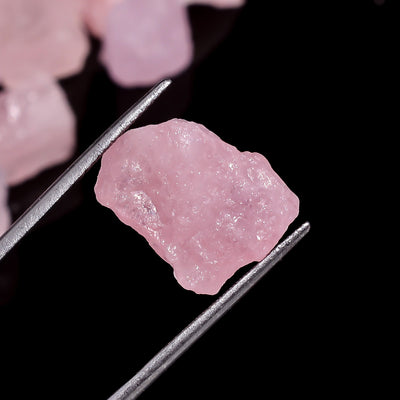
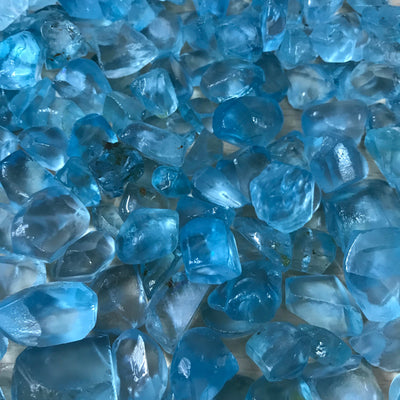
A crystal is a solid material with atoms arranged in a repeating pattern, formed naturally as minerals develop under specific conditions in the Earth. Crystals can display sharp edges, geometric shapes, or unusual formations; quartz is a well-known example.
They can be beautiful in their natural state, without needing to be cut or polished.
An important distinction is that a crystal describes the material's structure, while a gemstone refers to its value and use.
What Makes a Stone a Gemstone?
A gemstone is generally a natural material valued for its beauty, durability, rarity, or other desirable qualities. That value becomes even more noticeable when the stone is prepared for jewelry.
-
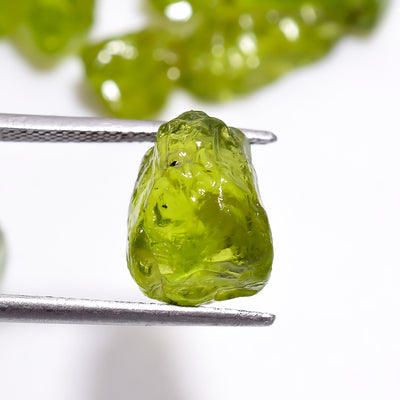
It starts with a natural stone: A rough stone is carefully selected based on its qualities and potential.
-
The stone is shaped: A skilled lapidary decides how to cut the material to reveal its color, clarity, and natural character.
-
Polishing brings out the beauty: The surface is polished to enhance its appearance and allow light to interact beautifully with the stone.
-
It becomes part of something meaningful: What began beneath the Earth can eventually become a ring, pendant, bracelet, or pair of earrings.
-
The transformation matters: This journey from a rough natural material to a finished piece is a big part of the magic of gemstones.
Crystal vs Gemstone: Where the Confusion Begins
The crystal vs gemstone question becomes confusing because the two categories can overlap.
-
Some gemstones come from minerals that naturally form crystals. Amethyst is a familiar example.
-
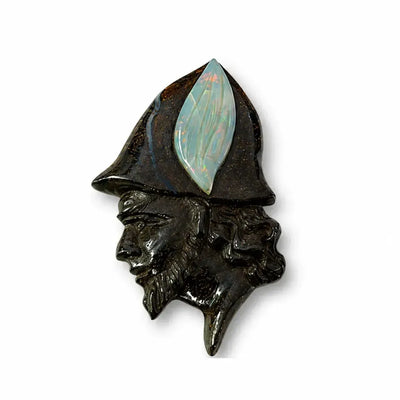
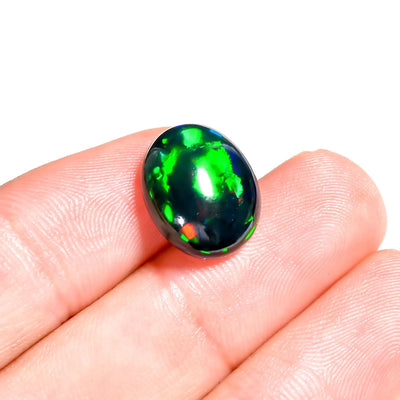
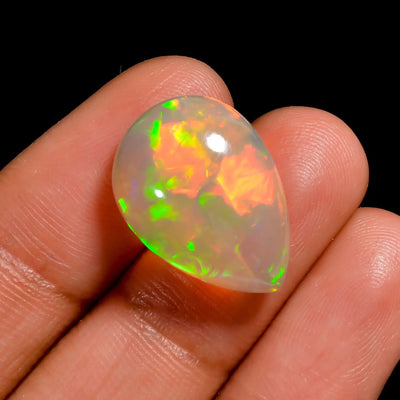
An Ethiopian opal shows how a natural stone can become valued for its unique appearance and character when shaped and polished for jewelry.
-
So, when comparing gemstones vs crystals, you're not always choosing between two completely separate materials.
-
Sometimes, the same natural material can be viewed in two different ways.
-
A collector may admire a crystal for its natural formation, while a jewelry buyer may prefer a polished gemstone for the way its color catches the light against the skin.
-
Neither perspective is wrong; it simply depends on what you appreciate about the stone.
Are Gemstones and Crystals the Same?
The short answer to are gemstones and crystals the same, but there is an overlap. Not every crystal is suitable for use as a gemstone. Some are too soft, too fragile, too common, or simply not attractive enough for jewelry.
At the same time, many familiar gemstones come from crystalline minerals. This is why searching for a difference between crystals and gemstones can sometimes lead to confusing explanations. The words aren't describing the same characteristic.
One tells you more about structure and natural formation. The other tells you more about value, beauty, and use.
Can a Crystal Become a Gem?
Some crystals can be transformed into beautiful gemstones, but not every crystal is suitable for jewelry.
-
It starts in its natural form: Imagine finding a beautiful raw opal stone on the Earth. It may have an uneven surface and an unpolished appearance.
-
The material is carefully examined: A skilled lapidary studies the stone and decides how it should be cut to bring out its best qualities.
-
The cut reveals its beauty: The goal isn't simply to make the stone smaller. The cut can highlight its color, clarity, patterns, and interaction with light.
-
It becomes a finished gemstone: Once cut and polished, the material can be prepared and set into jewelry.
-
The answer isn't always yes: This is why is a crystal a gem cannot be answered with a simple yes or no. Some crystals can become gems, while many are better appreciated in their natural form.
Gemstone vs Crystal vs Mineral: Understanding the Difference
To make the distinction easier, think of these three words as describing different aspects of the same natural world.
|
Term |
What it mainly describes |
Example |
|
Mineral |
A naturally occurring substance with a defined composition and structure |
|
|
Crystal |
A material with an organized atomic structure or a naturally formed crystalline shape |
|
|
Gemstone |
A material valued for beauty and used in jewelry or decoration |
This is why the gemstone vs crystal vs mineral comparison can feel complicated at first. A mineral can form crystals, and some varieties can be cut and sold as gemstones. The categories may overlap.
Crystal vs Gem: Which One Has More Value?
There isn't a universal winner in a crystal vs gem comparison. A natural crystal specimen can be valuable because of its size, formation, rarity, clarity, or collector appeal. A gemstone can be valuable because of its color, clarity, cut, rarity, durability, size, and demand.
The same material can therefore have very different values depending on what it is, how it looks, and what someone wants to do with it. For a jewelry buyer, the most important question is often not “Is this a crystal or a gem?”
It is:
“Do I love this stone enough to wear it?”
Because jewelry is personal. The value of a stone isn't only something measured on a price tag.
Which One Should You Choose for Jewelry?
If you're buying a piece to wear, a gemstone is usually the more practical choice when it has been selected and shaped specifically for jewelry. An opal cabochon, for example, has a smooth, polished surface that can highlight the stone's natural character.
But the real decision should go deeper than the label.
-
Choose by the way it looks: Do you want a stone that flashes dramatically when it catches the light? Or something softer and more mysterious? Your first reaction matters.
-
Choose by how you will wear it: A ring faces more daily contact than a pendant. Earrings may have very different requirements from a bracelet. Hardness and durability become particularly important when a piece will be worn frequently.
-
Choose by the feeling it gives you: This is where grading charts fall short. A stone might evoke memories or visions of outfits, colors, or meaningful experiences. That emotional connection transforms a pretty stone into your jewelry.
What to Look for Before Buying a Stone
Whether you're looking at gemstone and crystals online or inside a jewelry store, don't stop at the name.
Look at the details that actually tell you what you're buying:
-
Is the stone natural or synthetic?
-
Has it been treated?
-
What type of material is it?
-
Is the color natural?
-
Is the stone durable enough for your intended use?
-
Is the jewelry properly finished?
-
Does the seller provide clear information about the stone?
If you are buying an unusual or expensive stone, asking these questions can save you from making a decision based only on appearance.
You should also remember that crystals and gemstones list pages can contain a mixture of materials with very different properties. Seeing a stone listed as a “crystal” doesn't automatically tell you whether it is suitable for everyday jewelry.
The Beauty of Natural Stones
Natural stones have their own character, and that individuality is often what makes a piece of jewelry feel special.
-
Every stone is different: No two natural stones are necessarily identical, even when they come from the same mineral family.
-
Natural variations: Stones can differ in color, inclusions, transparency, patterns, and overall character.
-
Small imperfections matter: A natural inclusion, unusual color zoning, or slight variation can make a stone feel unique.
-
More than just a material: When choosing jewelry, you're not simply buying a stone; you're choosing a small piece of nature that becomes part of something you wear.
When a Crystal Is the Better Choice
Not every beautiful stone needs to be turned into a traditional gemstone.
-
For a natural look: A natural crystal can be a striking choice for someone who loves organic shapes and wants something that feels closer to how the material appeared in nature.
-
For collecting: Crystal specimens can be interesting for collectors or for decorative pieces where the natural formation is part of the appeal.
-
For a refined look: If your style leans toward polished, refined jewelry, a cut gemstone may suit you better.
-
For something unique: If you prefer something raw, unusual, and visibly natural, a crystal may have the character you're looking for.
How the Right Stone Changes a Piece of Jewelry
The stone is often the first thing people notice.
A deep-colored gemstone can give a simple ring a rich, luxurious appearance. A translucent stone can make a pendant feel light and delicate, while a welo opal pendant can bring an eye-catching play of color into a finished piece.
A naturally patterned material can turn an otherwise simple design into something distinctive. This is where the choice between a crystal and a gemstone becomes less about definitions and more about design. The right stone should work with the metal, the shape of the setting, and the person who will wear it.
At Hornet Gems, that relationship between stone and jewelry is what makes the finished piece more than just an accessory.
A Simple Way to Remember the Difference
If you want to remember the gemstone vs crystal distinction without getting lost in technical definitions, keep this simple:
-
Crystal: Think about structure and natural formation.
-
Gemstone: Think about beauty, desirability, and use in jewelry or decoration.
And remember that the two can overlap.
A crystal can become a gemstone when its qualities make it suitable and desirable for use as a gem.
Final Thoughts
The world of stones is much more fascinating once you stop thinking of a gemstone vs crystal as a simple either-or choice.
A crystal reveals how nature arranged its atoms, while a gemstone represents the journey from a natural material to a selected, polished, and cherished piece.
Some stones embody both aspects.
When choosing jewelry, the quality of the stone, the craftsmanship, and the feelings it evokes are what truly matter. The best piece isn’t always the one with the most impressive name. It's the one you keep reaching for.
Read Also: What Is a Cabochon? A Complete Guide
FAQs:
Q1: Are Crystal and Gemstone the Same Thing?
Ans: No, a crystal refers mainly to an organized structure or naturally formed crystalline material, while a gemstone is a material valued for its beauty and commonly used in jewelry. Some gemstones can also be crystals.
Q2: Which Is Better, Crystal or Gemstone?
Ans: Neither is automatically better. For jewelry, a gemstone that has been selected and cut for durability and appearance may be the better choice. A natural crystal may be preferable for collecting or decorative purposes.
Q3: Are All Crystals Gemstones?
Ans: No, many crystals are valued as mineral specimens and are not suitable or commonly used as gemstones. Their beauty alone does not automatically make them gemstones.
Q4: Are All Gemstones Crystals?
Ans: No, many gemstones come from crystalline minerals, but not every gemstone is a crystal in the same sense. Some gemstones have organic origins, such as pearls.
Q5: Which Gemstones Are Crystals?
Ans: Many well-known gemstones come from crystalline minerals. Examples include amethyst, quartz varieties, ruby, sapphire, emerald, topaz, and aquamarine.
Q6: Can a Crystal Be Used as a Gemstone?
Ans: Yes, some crystals can be cut and polished for use in jewelry when their appearance, durability, and other qualities make them suitable. The material's characteristics determine whether it works well as a gem.