Cart
0

When shopping for sapphires, you might think all blue sapphires are alike, but there are important differences! Two popular choices are the classic Blue Sapphire vs Montana Sapphire. Both are part of the corundum family, known for their beauty and durability, but they vary in color, origin, rarity, price, symbolism, and appearance.
Whether you’re considering a blue sapphire ring or a unique Montana sapphire engagement ring, this guide will help you understand the key differences before making your investment. Enjoy your sapphire journey!
What Is a Blue Sapphire?
Blue Sapphire is one of the most valuable gemstone varieties in the corundum family. Known for its deep blue color and exceptional durability, it has been treasured for centuries in royal jewelry, engagement rings, and fine gemstone collections. Today, blue sapphire jewelry remains one of the most popular choices among gemstone buyers worldwide due to its beauty, rarity, and long-term value.
A blue sapphire is a precious gemstone variety of corundum that is colored by trace amounts of iron and titanium. Known for its rich blue hue, it has been treasured for centuries by royalty, collectors, and gemstone enthusiasts.
Some of the world's most famous blue sapphire stone come from:
-
Sri Lanka (Ceylon)
-
Kashmir
-
Myanmar (Burma)
-
Madagascar
-
Thailand
-
Australia
Among these, the Ceylon Blue Sapphire is especially prized for its vivid, bright blue color and exceptional clarity.
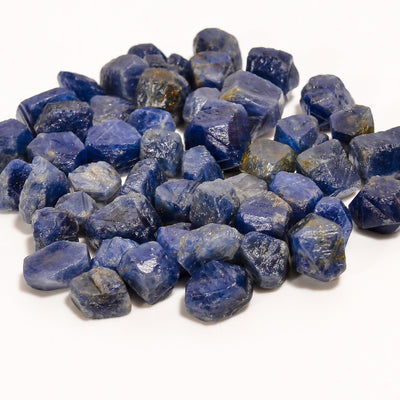
Looking for raw sapphire material? Explore our Natural Blue Sapphire Rough Crystals.
Characteristics of Blue Sapphire
-
Rich royal blue color
-
Excellent hardness (9 on the Mohs scale)
-
High brilliance
-
Strong investment value
-
Popular in fine jewelry and astrology
What Is a Montana Sapphire?
A Montana Sapphire is a sapphire mined in the state of Montana, USA. These sapphires have gained popularity due to their unique colors, ethical sourcing practices, and distinctive American origin. Unlike traditional blue sapphires, Montana sapphires are often found in shades of:
-
Teal blue
-
Green-blue
-
Gray-blue
-
Cornflower blue
-
Aqua blue
Many buyers choose Montana sapphire jewelry because each stone often displays unique color variations, making it truly one-of-a-kind.
Characteristics of Montana Sapphire
-
Mined exclusively in Montana, USA
-
Naturally unique color palette
-
Excellent durability
-
Ethical and traceable sourcing
-
Popular for custom jewelry
Quick Comparison: Blue Sapphire vs Montana Sapphire
|
Feature |
Blue Sapphire |
Montana Sapphire |
|
Origin |
Sri Lanka, Kashmir, Myanmar, Madagascar, Thailand |
Montana, USA |
|
Color |
Deep royal blue to vivid blue |
Teal, blue-green, cornflower blue, gray-blue |
|
Popularity |
Traditional and highly recognized |
Modern and unique |
|
Price |
Generally higher |
More affordable |
|
Rarity |
High-quality stones are rare |
Naturally rare but more accessible |
|
Jewelry Style |
Classic luxury |
Contemporary and alternative |
|
Astrology Use |
Widely used in Vedic astrology |
Primarily ornamental |
|
Investment Value |
Strong market demand |
Growing collector demand |
|
Ethical Sourcing |
Depends on the source |
Often considered ethically mined |
At a glance, Blue Sapphire is best known for its classic royal blue color, strong investment value, and traditional appeal. Montana Sapphire stands out for its unique teal and blue-green shades, ethical sourcing, and growing popularity in modern engagement rings. Both gemstones offer excellent durability, making them suitable for everyday jewelry.
Color Differences Between Blue Sapphire vs Montana Sapphire

Color is often the most significant deciding factor when choosing between these two types of sapphires.
Traditional Blue Sapphire Color
Traditional blue sapphires typically feature the following:
-
Royal blue
-
Vivid blue
-
Deep navy blue
-
Velvet blue
The most valuable stones possess a rich, saturated blue color without appearing overly dark.
Popular Example: Ceylon Blue Sapphire
A Ceylon Blue Sapphire is known for the following:
-
Bright medium-to-vivid blue color
-
Excellent transparency
-
Strong brilliance
-
High demand for luxury jewelry
Montana Sapphire Color
Montana sapphires are famous for their unconventional shades. Common colors include:
-
Teal blue
-
Seafoam blue
-
Greenish-blue
-
Gray-blue
-
Ice blue
These unique tones have made Montana blue sapphires especially popular among younger buyers seeking something different from traditional gemstones.
Origins of Blue Sapphire vs Montana Sapphire

Blue Sapphire Origins
Blue sapphire stone are mined in several countries, including:
-
Sri Lanka (Ceylon): Known for exceptional clarity and bright blue colors.
-
Kashmir: Known for its velvety blue appearance and extreme rarity.
-
Madagascar: Known for high-quality production and competitive pricing.
Montana Sapphire Origins
Montana sapphires are primarily mined from the following locations:
-
Rock Creek
-
Missouri River
-
Yogo Gulch
Yogo Sapphires
Yogo sapphires are among the most valuable Montana sapphires due to their naturally vibrant blue color, high clarity, and minimal treatment requirements.
Benefits of Blue Sapphire vs Montana Sapphire
Many buyers compare Blue Sapphire stone benefits and Montana Sapphire benefits before purchasing. While Blue Sapphire is often associated with timeless luxury, strong market demand, and traditional jewelry, Montana Sapphire is admired for its unique colors, ethical sourcing, and modern appeal.
Both Montana and blue sapphire stones are celebrated for their beauty and durability, but each gemstone offers unique advantages that may appeal to different buyers and jewelry preferences. Look below to find the Montana and blue sapphire stone benefits in detail:
Blue Sapphire Benefits:
-
Features a rich, classic royal blue color that symbolizes wisdom and prestige.
-
Highly sought after in fine jewelry and luxury collections.
-
Holds strong historical and cultural significance across various civilizations.
-
A popular choice for astrological and spiritual purposes.
-
Maintains excellent long-term value due to strong global demand.
-
Ideal for traditional engagement rings and heirloom jewelry.
Montana Sapphire Benefits:
-
Offers a unique color range, including shades of teal, blue-green, and cornflower blue.
-
Ethically sourced and traceable from Montana, USA.
-
Perfect for buyers seeking a distinctive and non-traditional gemstone.
-
Often more affordable than premium Blue Sapphire stone.
-
Provides excellent durability for everyday wear and engagement rings.
-
Popular for use in custom-made and contemporary jewelry designs.
Note: Cultural and spiritual beliefs shape the benefits of gemstones and are not scientifically proven.
Durability of Blue Sapphire vs Montana Sapphire
Both gemstones are extremely durable.
|
Property |
Blue Sapphire |
Montana Sapphire |
|
Mineral |
Corundum |
Corundum |
|
Hardness |
9 Mohs |
9 Mohs |
|
Daily Wear |
Excellent |
Excellent |
|
Scratch Resistance |
Excellent |
Excellent |
Both stones are durable, making them ideal for:
-
Engagement rings
-
Wedding bands
-
Everyday jewelry
-
Family heirlooms
Ring Styles for Blue Sapphire vs Montana Sapphire
Choosing a blue sapphire ring is often a lifelong decision, making style preferences particularly important.
Blue Sapphire Ring
Best for buyers who want:
-
Classic luxury
-
Royal appearance
-
Traditional elegance
-
Deep blue gemstones
Popular settings:
-
Solitaire rings
-
Halo rings
-
Vintage designs
-
Diamond-accented rings
Montana Sapphire Ring
A Montana Sapphire Ring is ideal for buyers seeking:
-
Unique colors
-
Modern aesthetics
-
Ethical sourcing
-
Distinctive designs
Popular settings:
-
Nature-inspired rings
-
Minimalist designs
-
Custom engagement rings
-
Alternative bridal jewelry
Blue Sapphire vs Montana Sapphire for Engagement Rings
When choosing a sapphire engagement ring, buyers often compare traditional Blue Sapphire with Montana Sapphire. A Blue Sapphire engagement ring offers a timeless royal appearance, while a Montana Sapphire engagement ring stands out for its unique teal and blue-green shades, ethical sourcing, and contemporary appeal.
Engagement Rings: Blue Sapphire vs Montana Sapphire
The rise of alternative engagement rings has significantly increased the demand for Montana sapphires.
Why Choose a Montana Sapphire Engagement Ring?
Many couples prefer the Montana sapphire engagement ring for several reasons:
-
Distinctive colors
-
Individuality
-
American sourcing
-
Environmental responsibility
-
Better value
Why Choose a Traditional Blue Sapphire Ring?
Traditional blue sapphires remain popular due to their:
-
Timeless beauty
-
Luxurious appeal
-
Strong resale value
-
Historical significance
Jewelry Designs Featuring Blue Sapphire vs Montana Sapphire
Both gemstones are used in various styles of jewelry.
Blue Sapphire Jewelry
Some popular options include:
-
Blue sapphire rings
-
Sapphire necklaces
-
Sapphire pendants
-
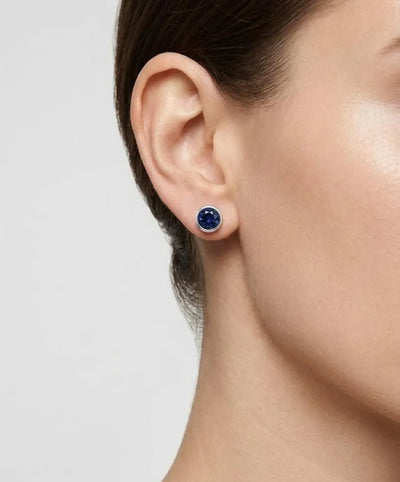
Sapphire earrings
-
Tennis bracelets
The blue sapphire jewelry is often associated with luxury and formal events.
Many jewelry makers also use Blue Sapphire Rough Crystals to create custom rings, pendants, and wire-wrapped jewelry.
Montana Sapphire Jewelry
Some popular options include:
-
Custom engagement rings
-
Artisan jewelry
-
Handmade necklaces
-
Modern earrings
-
Contemporary wedding sets
The Montana sapphire jewelry often appeals to buyers looking for originality.
Montana Sapphire Rough vs. Faceted Sapphire
Many collectors enjoy purchasing Montana sapphire rough stones.
Montana Sapphire Rough
Benefits include:
-
Natural appearance
-
Lower initial cost
-
Opportunities for custom cutting
-
Collector value
Faceted Montana Sapphire
Benefits include:
-
Higher brilliance
-
Ready-to-wear jewelry
-
Enhanced color display
Price Differences Between Blue Sapphire VS Montana Sapphire
Sapphire prices per carat are influenced by origin, color, heat treatment, and clarity. High-value blue sapphires from Kashmir and Burma, especially flawless and unheated ones, contrast with Montana sapphires, valued for their unique colors and ethical sourcing.
|
Gemstone Type |
Color Profile & Origins |
0.5 Carat Price Range |
1.0 Carat Price Range |
2.0+ Carat Price Range |
|
Standard Blue Sapphire (Heated) |
Vivid, velvety royal blue or cornflower blue |
($300 - $800) |
($800 - $2,500) |
($3,000 - $10,000+) |
|
Standard Blue Sapphire (Unheated) |
Natural, untreated deep blue without heat enhancement |
($600 - $1,500) |
($2,500 - $5,000) |
($7,000 - $20,000+) |
|
Montana Sapphire (Heated) |
Steely blue, light blue, or teal |
($400 - $700) |
($1,500 - $2,500) |
($3,500 - $6,000+) |
|
Montana Sapphire (Unheated) |
Rare, completely natural bi-colors and vivid teals |
($600 - $1,000) |
($2,200 - $4,000) |
($5,000 - $12,000+) |
(Note: Pricing scales with carat weight, as larger, high-clarity stones are rare. Unheated, untreated stones also command premium values.)
Which Sapphire Is More Valuable?
Generally:
-
More Valuable: Kashmir Blue Sapphire, High-quality Ceylon Blue Sapphire
-
Growing in Value: Montana Blue Sapphire, Yogo Sapphire
Traditional blue sapphires currently dominate the luxury gemstone market, although Montana sapphires continue to gain popularity.
The value of a sapphire depends on color, clarity, origin, treatment, and carat weight. Premium Ceylon Blue Sapphire and Kashmir Sapphire gemstones often achieve the highest market prices, while rare Montana Blue Sapphire stones continue to attract collectors because of their distinctive colors and traceable origin.
Which Sapphire Should You Choose?
Quick Answer:
Choose Blue Sapphire if:
• You prefer a classic royal blue gemstone
• You want a traditional luxury look
• You value historical significance
• You are interested in blue sapphire jewelry or astrology
Choose Montana Sapphire if:
• You prefer unique teal and blue-green shades
• You want ethically sourced gemstones
• You need a distinctive engagement ring
• You appreciate American-mined sapphires
Choose a Blue Sapphire if you:
-
Prefer a classic royal blue color
-
Want a traditional luxury gemstone
-
Value historical significance
-
Are interested in astrology-related uses
Choose a Montana Sapphire if you:
-
Want a unique color palette
-
Prefer ethically sourced gemstones
-
Need a distinctive engagement ring
-
Appreciate American-mined gems
Blue Sapphire vs Montana Sapphire for Investment
For investment purposes, high-quality Blue Sapphire, especially Ceylon and Kashmir origins, generally commands stronger global demand and resale value. However, Montana Sapphires have gained popularity among collectors due to their rarity, ethical sourcing, and distinctive color palette. The best investment choice depends on quality, origin, treatment status, and market demand.
If you're interested in working with raw sapphire material, browse our Natural Blue Sapphire Rough Crystals for jewelry making and gemstone collections.
Blue Sapphire vs Montana Sapphire for Everyday Wear
Both Blue Sapphire and Montana Sapphire rank 9 on the Mohs hardness scale, making them excellent choices for everyday wear. Their durability and scratch resistance make them suitable for rings, pendants, earrings, and heirloom jewelry that can be enjoyed for generations.
Conclusion
Choosing between a Blue Sapphire and a Montana Sapphire depends on personal preference. Blue sapphires, especially Ceylon Blue Sapphires, exude timeless elegance and rich hues.
In contrast, Montana blue sapphire offers a unique, ethically sourced option with modern appeal. Both gemstones are durable and stunning, making them valuable additions to any jewelry collection.
Which Sapphire Speaks to You?
You've now discovered the key differences between Blue Sapphire and Montana Sapphire. Time for a quick challenge!

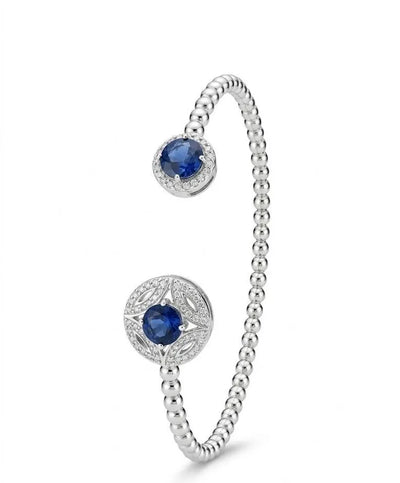
Can you tell which ring features a Blue Sapphire and which one showcases a Montana Sapphire?
Look closely at the color, character, and overall feel of each gemstone.
Then ask yourself:
-
Which ring caught your attention first?
-
Which one would you proudly wear every day?
-
Do you prefer timeless elegance or unique individuality?
-
Choose your favorite ring before reading the answer.
After all, the best sapphire isn't the most expensive one; it's the one that feels like it was made for you.
Ring A or Ring B? Which would you choose?
FAQs About Blue Sapphire vs Montana Sapphire
Q1: Is Montana Sapphire a Real Sapphire?
Ans: Yes, Montana sapphires are genuine sapphires that belong to the corundum family, just like traditional blue sapphires.
Q2: Are Montana Sapphires More Expensive Than Blue Sapphires?
Ans: Generally, no. Traditional high-quality blue sapphires, especially Kashmir and Ceylon stones, are usually more expensive.
Q3: Can Montana Sapphires Be Used in Engagement Rings?
Ans: Absolutely. A Montana sapphire engagement ring is one of the fastest-growing alternatives to traditional diamond engagement rings.
Q4: Which Is Better, Ceylon Blue Sapphire or Montana Sapphire?
Ans: Neither is universally better. Ceylon Blue Sapphire offers classic luxury, while Montana Sapphire provides uniqueness and ethical sourcing.
Q5: Are Montana Sapphires Durable Enough for Everyday Wear?
Ans: Yes. With a hardness of 9 on the Mohs scale, Montana sapphires are highly suitable for daily wear.
Q6: What Is the Difference Between Blue Sapphire and Montana Blue Sapphire?
Ans: Blue Sapphire is a broad category of sapphire known for its rich blue color and global origins, including Sri Lanka, Kashmir, and Madagascar. Montana Blue Sapphire specifically refers to sapphires mined in Montana, USA, which are known for their teal, blue-green, and cornflower blue shades.