Cart
0

Written by Katarina Alves · Last updated: November 2, 2026
Quick Answer
Yes, 925 sterling silver can tarnish, but tarnish is harmless and easy to prevent and remove:
- ◆What it is: sterling silver is 92.5% pure silver mixed with 7.5% other metals, usually copper.
- ◆Why it tarnishes: silver reacts with sulfur and moisture in the air, forming a dark surface layer called silver sulfide.
- ◆How to clean it: mild soap and warm water, or a silver polishing cloth, for most pieces.
- ◆How to prevent it: wear it often, store it airtight with anti-tarnish strips, and keep it away from perfume, water, and humidity.
- ◆Gemstone pieces: never soak soft or porous stones like opal, pearl, or turquoise.
Good to know: tarnish does not mean your silver is fake, and a lack of tarnish does not prove it is real.
If your favorite ring or necklace has turned dull, yellowish, or gray, nothing is wrong with it. It does not mean the piece is ruined. Tarnish is a normal reaction of real silver to the air around it.
In this guide, you'll learn why sterling silver tarnishes, how fast it happens, how to clean it safely at home, and the daily habits that keep your jewelry bright for years.
Why does sterling silver tarnish?
Sterling silver tarnishes because silver reacts with sulfur compounds in the air. The reaction forms silver sulfide, a thin dark film that makes jewelry look dull, yellow, brown, or black.
Pure silver is too soft for jewelry, so it is blended with other metals, most often copper, to make it strong enough for everyday wear. Copper reacts even more readily with oxygen and moisture, which is why alloyed silver can darken faster than you might expect.
Common causes of tarnish include:
- Humidity and moisture. Damp bathrooms and sweaty skin speed up the reaction.
- Sulfur in the air. Pollution, rubber, wool, eggs, and some foods all contain or release sulfur.
- Skin chemistry. Body oils, sweat, and pH differ from person to person, so the same ring can tarnish faster on one wearer than another.
- Beauty and household products. Perfume, lotion, hairspray, and cleaning products leave residue that attracts tarnish.
- Chlorine and salt water. Pools, hot tubs, and the ocean can dull and damage silver.
How fast does 925 silver tarnish?
There is no fixed timeline. Silver that sits in a humid drawer can show a light haze within weeks, while a piece worn daily and stored well can stay bright for months or longer. Your climate, your skin, and how you store your jewelry matter more than the silver itself.
Surprisingly, wearing your silver often helps. The gentle friction and natural skin oils from regular wear slow tarnish, while jewelry left sitting unused tends to darken faster.
| Condition | Tarnish speed |
|---|---|
| Worn often, wiped after use, stored in an airtight bag | Slow |
| Kept in a dry room, open air, rarely worn | Medium |
| Humid bathroom, near perfume or pool, left uncovered | Fast |
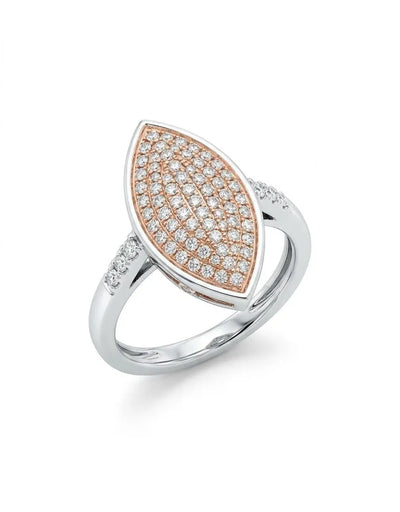
A note on gemstone and plated pieces. Gemstone silver jewelry tarnishes the same way, but the stones need gentler cleaning (see below). Rhodium-plated or rose gold plated silver rings tarnish less on the surface, but the plating can wear off over time, so avoid abrasive polishing on those pieces.
How to clean sterling silver at home
Start with the gentlest method and move up only if the tarnish stays. Always dry your jewelry fully afterward.
Method 1: Mild soap and warm water (light tarnish)
- Mix a few drops of mild dish soap into a bowl of warm water.
- Dip a soft cloth or soft-bristled toothbrush into the water and gently wipe the piece.
- Rinse with clean water.
- Pat dry with a soft, lint-free cloth.
Method 2: Silver polishing cloth (everyday shine)
A silver polishing cloth is treated to lift tarnish with very little effort. Rub gently along the surface, then switch to a clean part of the cloth as it darkens. This is the safest regular method for most silver jewelry.
Method 3: Baking soda and aluminum foil (heavier tarnish)
- Line a bowl with aluminum foil.
- Add 1 tablespoon of baking soda for every cup of hot (not boiling) water, and stir.
- Place the silver in the bowl so it touches the foil.
- Soak for 2 to 5 minutes. The tarnish transfers from the silver to the foil.
- Remove, rinse, and dry thoroughly.
Method 4: Silver dip (last resort)
Commercial silver dips work fast but are harsh. Follow the product directions exactly and rinse very well. Do not use them often.
Cleaning gemstone silver jewelry
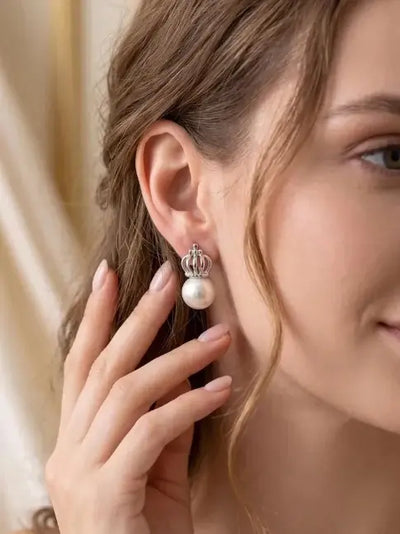
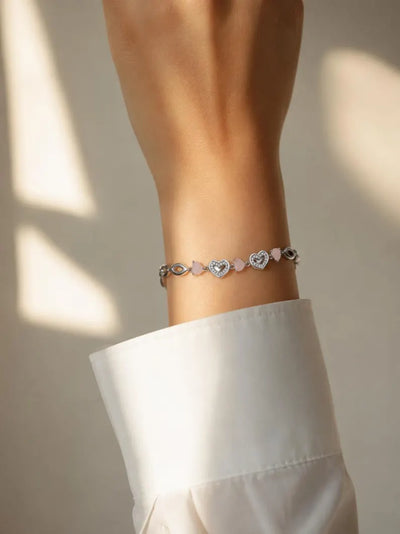
Opal, pearl, turquoise, coral, and other soft or porous stones can be damaged by soaking, baking soda, and chemical dips. For gemstone pieces, use only a slightly damp soft cloth with a drop of mild soap, wipe around the stone, and dry right away. When in doubt, skip the soak and use a polishing cloth on the metal only. The same gentle approach applies to pearl drop earrings and bracelets with natural stones like rose quartz.
How to prevent silver from tarnishing
You cannot stop tarnish completely, but a few habits slow it down a lot.
- Wear it often. Regular wear keeps the surface lightly polished by your skin.
- Put it on last, take it off first. Apply perfume, lotion, and hairspray before your jewelry goes on.
- Wipe it after wearing. A quick pass with a soft cloth removes sweat and oils before they build up.
- Store it airtight. Keep each piece in a zip-top bag or a small sealed pouch with the air pressed out.
- Add anti-tarnish strips or silica gel. They absorb sulfur and moisture inside your jewelry box.
- Keep pieces separate. Soft pouches stop silver from scratching or tangling with other jewelry.
- Avoid humid rooms. Do not store silver in the bathroom or kitchen.
- Take it off for water and workouts. Remove silver before swimming, showering, cleaning, and heavy sweating.
What to avoid when cleaning silver
Well-meant shortcuts often do more harm than good. Skip these:
- Toothpaste. It is abrasive and leaves tiny scratches that make silver look dull and collect more tarnish.
- Paper towels and rough cloths. They can scratch the surface. Use a soft cotton or microfiber cloth instead.
- Bleach and harsh chemicals. They can pit and discolor silver.
- Soaking gemstone jewelry. Water and chemicals can loosen settings and damage soft or porous stones.
- Over-polishing. Polishing removes a very thin layer of metal each time, so clean only when you need to.
- Dishwashers and ultrasonic cleaners. Heat, detergent, and vibration can harm stones and delicate settings.
Final thoughts: tarnish is normal, and easy to manage
Sterling silver tarnishes because it reacts with sulfur and moisture, and that is a normal part of owning real silver. With a soft cloth after wearing, airtight storage, and a gentle clean when needed, your jewelry can stay bright for years.
FAQ About Sterling Silver Tarnishing
Q1: Does Sterling Silver Tarnish?
Ans: Yes. Sterling silver contains copper and other metals that react with sulfur and moisture in the air, causing tarnish over time. Regular wear, dry storage, and occasional cleaning can help keep your sterling silver jewelry looking bright.
Q2: Does 925 Silver Tarnish?
Ans: Yes. The 925 stamp means the jewelry is made of 92.5% pure silver, with the remaining 7.5% usually consisting of copper. These metals can react with sulfur in the air, so tarnishing is a normal characteristic of genuine 925 sterling silver.
Q3: Does Tarnished Silver Mean It Is Fake?
Ans: No. Tarnishing does not mean that silver is fake. Genuine sterling silver can naturally develop tarnish over time, while the absence of tarnish does not guarantee authenticity. Look for a 925 or sterling silver stamp and purchase jewelry from a trusted seller.
Q4: Is Tarnished Silver Safe to Wear?
Ans: Yes. Silver tarnish is generally a surface layer and is not harmful. It may leave a gray or black mark on your skin or clothing, which can usually be wiped away easily. If you experience skin irritation, stop wearing the jewelry and consider checking for metal sensitivities.
Q5: How Often Should I Clean Sterling Silver?
Ans: Wipe your sterling silver jewelry with a soft cloth after wearing it to remove oils and everyday residue. A deeper clean is only necessary when tarnish becomes visible, which may be every few months for regularly worn pieces.
Q6: How Do I Stop Silver From Tarnishing Quickly?
Ans: Store sterling silver jewelry in an airtight pouch or container with anti-tarnish strips. Keep it away from perfume, water, household chemicals, and excessive humidity. Regular gentle cleaning and wearing your jewelry often can also help reduce tarnish buildup.
Q7: Can Tarnish Be Removed Completely?
Ans: Yes, in most cases, tarnish can be removed with a suitable silver polishing cloth or gentle cleaning method. Light tarnish may come off with mild soap and water. Heavily tarnished jewelry may require professional cleaning, especially if it contains gemstones or delicate settings.