Cart
0

Quartz is one of the most widely recognized minerals, valued for its clarity, color variety, durability, and many practical uses. Quartz crystal meaning can be understood through its natural properties, popular varieties, cultural symbolism, and long-standing use in crystal traditions.
From clear quartz to amethyst, rose quartz, smoky quartz, and citrine, each variety has its own appearance and associations. Scientifically, quartz is a mineral made primarily of silicon dioxide (SiO₂), while crystal traditions often connect it with clarity, focus, balance, and energy.
Quick Answer
Quartz is a silicon dioxide mineral associated with clarity and focus in crystal traditions, and it is also widely used in jewelry, technology, glass, and industry.
What Is Quartz?
Quartz is a naturally occurring mineral composed of silicon dioxide. It forms in many geological environments and is known for its hardness, crystal structure, and wide range of colors.
It ranks around 7 on the Mohs scale, making it durable enough for many jewelry applications. Quartz can occur as clear crystals or in varieties colored by trace elements, inclusions, or natural radiation.
The broad quartz properties that make it useful include durability, transparency in some varieties, chemical stability, and its distinctive crystal structure.
Quartz Crystal Meaning and Symbolism
Quartz crystal meaning often changes depending on the tradition or context in which the stone is discussed. Clear quartz is commonly associated with clarity, intention, focus, and balance.
In crystal practices, quartz is sometimes used as a symbolic tool for setting intentions or creating a focused atmosphere. These associations are traditional rather than scientifically established effects.
The quartz crystal meaning and uses therefore cover both symbolic traditions and practical applications. A person may appreciate quartz for its cultural meaning while also valuing it as a natural mineral with useful physical properties.
Quartz Properties and Characteristics
Quartz has several characteristics that explain its popularity in both gemstones and industry.
-
Composition: Silicon dioxide (SiO₂)
-
Hardness: About 7 on the Mohs scale
-
Crystal system: Trigonal
-
Appearance: Transparent, translucent, or opaque depending on the variety
-
Colors: Clear, purple, pink, yellow, brown, gray, and more
-
Durability: Suitable for many everyday jewelry applications
The properties of quartz also include its ability to exhibit piezoelectric behavior. This physical characteristic has made quartz useful in certain electronic, timing, and precision applications.
Popular Quartz Varieties and Their Meanings
There are different types of quartz crystals and their meanings can vary according to their color, variety, cultural associations, and use.
Clear Quartz
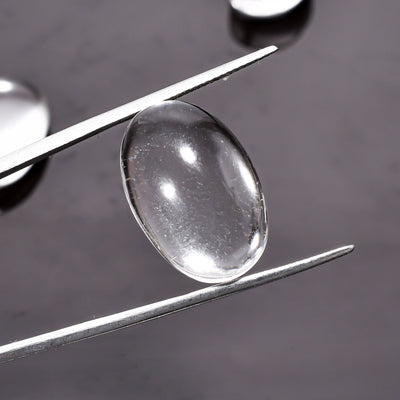
Clear quartz is transparent to translucent and is often associated with clarity, focus, and intention in crystal traditions.
Amethyst
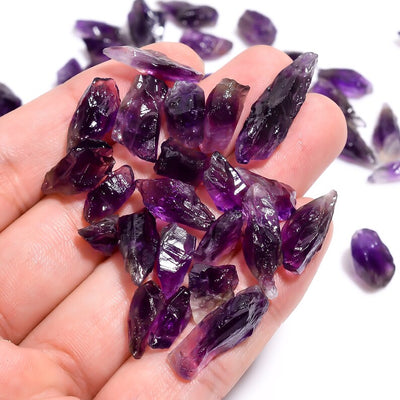
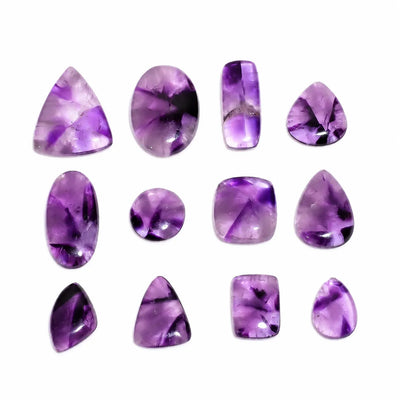
Amethyst is the purple variety of quartz. Its color ranges from light lavender to deeper purple, making it one of the most recognizable quartz gemstones.
Rose Quartz
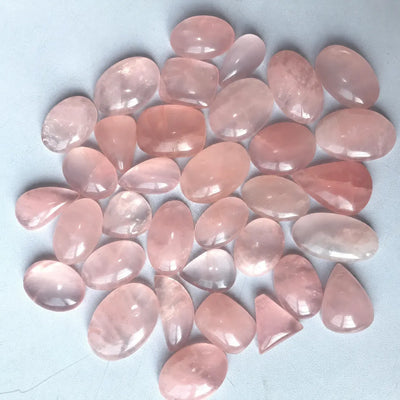
Rose quartz is known for its soft pink color and is commonly connected with love, compassion, and emotional symbolism.
Smoky Quartz
Smoky quartz ranges from light gray-brown to deeper brown shades. In crystal traditions, it is often associated with grounding and stability.
Citrine
Citrine is yellow to orange-brown quartz. Natural citrine is relatively uncommon, while much of the citrine sold commercially is produced by heat-treating suitable amethyst.
When comparing different varieties, remember that these symbolic associations vary between traditions and are not established medical effects.
Crystal Quartz Meaning in Crystal Traditions
The phrase crystal quartz meaning is often used when discussing clear quartz specifically. It is traditionally viewed as a versatile crystal and is frequently connected with clarity, intention, and energy.
Some people keep clear quartz near their workspace, meditation area, or personal collection because of these symbolic associations. Others simply enjoy its natural transparency and geometric crystal forms.
If you're looking up meaning crystal quartz, the answer depends on whether you mean its mineral identity, cultural symbolism, or use in modern crystal practices.
Quartz Metaphysical Properties
The quartz metaphysical properties commonly discussed in crystal traditions include clarity, focus, energetic balance, and intention-setting.
Similarly, quartz healing properties are often described in spiritual or holistic contexts. These claims should be understood as traditional beliefs rather than established medical treatments. Quartz should not be used as a substitute for professional medical care.
For someone asking what does quartz do spiritually, the answer depends on the belief system being followed. Many crystal traditions use quartz as a symbolic aid for meditation, reflection, or intention-setting.
The quartz spiritual meaning is therefore closely connected with the symbolism a person or tradition assigns to the stone.
Practical Quartz Uses
Quartz has applications far beyond spiritual practices. Its physical and electrical properties have made it useful in technology, manufacturing, and everyday products.
Common quartz uses include:
-
Jewelry and decorative objects
-
Glass and ceramics
-
Watches and timekeeping components
-
Electronic and communication equipment
-
Abrasives and industrial materials
-
Scientific and precision instruments
So, what is quartz used for? Its uses range from gemstone jewelry to specialized components that rely on quartz's ability to respond predictably to mechanical and electrical forces.
Quartz Crystal Benefits in Crystal Practices
The quartz crystal benefits described in crystal traditions generally focus on symbolic or spiritual experiences rather than measurable medical outcomes.
People may use quartz during meditation, journaling, intention-setting, or personal rituals. The appeal often comes from the stone's appearance and the meaning an individual assigns to it.
For example, raw opal stones may be combined with quartz pieces in a personal gemstone collection for a contrasting natural look.
Quartz in Jewelry
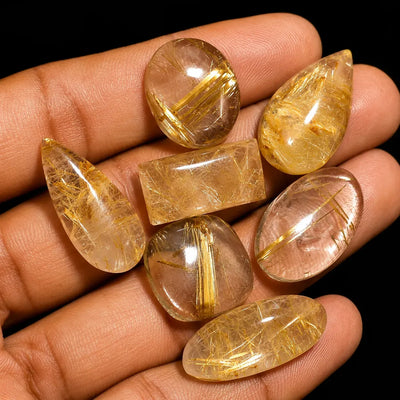
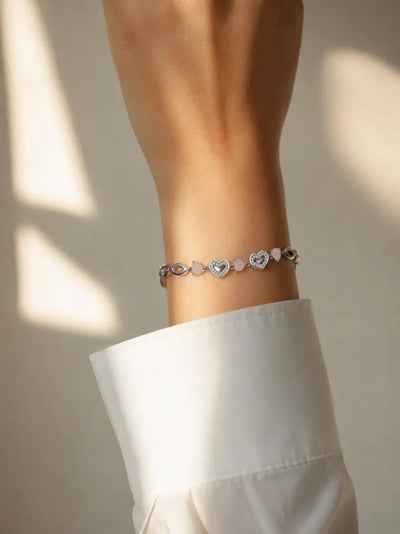
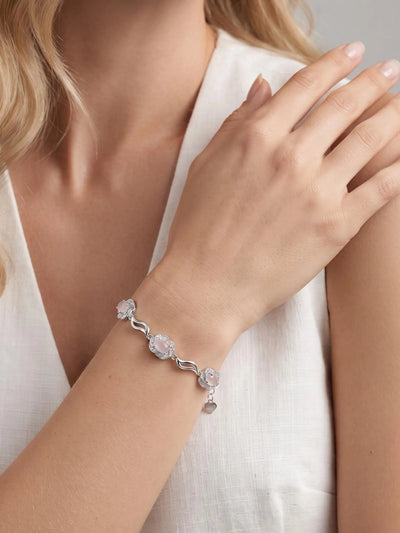
Quartz is a popular gemstone material because it offers a broad range of colors, patterns, and visual effects. Amethyst, citrine, rose quartz, and smoky quartz can all be shaped into cabochons, beads, faceted stones, pendants, and rings.
At Hornet Gems, gemstone jewelry can be considered alongside other natural stone styles, depending on the desired color and design.
Quartz is also useful for creating jewelry with different visual moods. Clear varieties can create a minimal look, while colored varieties can add a stronger focal point.
Collectors interested in an ethiopian opal pendant may also appreciate quartz jewelry for its contrasting transparency and color.
How to Tell If Quartz Is Real?
Identifying quartz accurately can require more than a simple home test, especially when a stone has been polished, treated, or included.
Consider these factors:
-
Appearance: Natural quartz can contain inclusions, growth features, or slight irregularities.
-
Hardness: Quartz has a Mohs hardness of about 7, but scratch testing can damage other materials and is not recommended as a casual test.
-
Crystal structure: Natural quartz may show characteristic crystal forms when it has not been heavily cut or polished.
-
Professional testing: A gemologist or mineral laboratory can provide more reliable identification.
If you are buying a polished opal cabochon gemstone or another gemstone alongside quartz, ask for accurate material information rather than relying only on appearance.
How to Choose Quartz?
Choosing quartz depends on what matters most to you. For jewelry, consider color, clarity, cut, size, setting, and overall craftsmanship.
For a mineral collection, natural crystal form and inclusions may be more important. For crystal practices, personal preference and the symbolism associated with a particular variety may guide the choice.
Your understanding of Quartz Crystal Meaning can deepen when you look at both the stone's physical properties and the traditions surrounding it.
The phrase quartz meaning is often used broadly for the symbolism and identity associated with quartz. However, the value and significance of a quartz specimen can also depend on its specific variety, quality, rarity, and intended use.
For larger gemstone collections or jewelry projects, options such as Bulk Cabochon can also be considered according to the design and sourcing requirements.
Conclusion
Quartz Crystal Meaning combines the stone's natural identity with the symbolism and traditions that have developed around it. Its durability, variety, and distinctive appearance make it useful for jewelry and collections, while its long-standing place in crystal practices gives it additional cultural significance.
Whether you choose clear quartz for its clean appearance, amethyst for its purple color, Ethiopian opal, or another variety, learning about the stone's physical properties helps you appreciate it beyond its symbolism.
Read More: How Much Is Garnet Worth
FAQs:
Q1: What does quartz crystal mean spiritually?
Ans: In many crystal traditions, quartz is associated with clarity, focus, intention, and energy. These are spiritual or cultural associations rather than scientifically proven effects.
Q2: Who should not wear quartz?
Ans: There is no general scientific rule that certain people should not wear quartz as jewelry. However, anyone with a metal or jewelry-related skin sensitivity should consider the setting and other materials used in the piece.
Q3: What are quartz crystals good for?
Ans: Quartz crystals are valued for jewelry, collecting, decoration, and various industrial applications. In crystal traditions, they are also used for meditation and intention-setting.
Q4: What is the most powerful crystal?
Ans: There is no scientifically established “most powerful” crystal. Different traditions assign different meanings and properties to different stones.
Q5: Is crystal quartz valuable?
Ans: Quartz can range from an inexpensive, common material to more valuable gemstone-quality specimens. Value depends on variety, color, clarity, size, quality, rarity, treatment, and demand.
Q6: How can you tell if a quartz crystal is real?
Ans: A reliable identification considers its physical characteristics, crystal structure, inclusions, and hardness. For valuable specimens, professional gemological or mineral testing is the safest option.