Cart
0

Written by Katarina Alves · Last updated: October 17, 2026
Opal has fascinated people for centuries with its remarkable flashes of color. Unlike gemstones that display a single dominant hue, opal can reveal multiple colors across its surface, creating an almost dreamlike appearance. But opal is more than its visual appeal. Throughout history, different cultures have connected this gemstone with love, hope, creativity, intuition, and transformation.
So, what exactly does opal represent? What is its spiritual significance, and why is it considered meaningful by gemstone enthusiasts? Let's explore the opal stone meaning, symbolism, traditional beliefs, varieties, and uses associated with this captivating gemstone.
Quick Answer
Opal is a hydrated form of silica, known for flashes of color that change as light moves across the stone:
- ◆Meaning: traditionally associated with transformation, creativity, hope, love, and intuition.
- ◆By color: white opal is linked with purity and serenity, black opal with mystery and protection, fire opal with energy and passion, and green opal with renewal and growth.
- ◆Birthstone: opal is traditionally associated with October.
- ◆Types: popular varieties include white opal, black opal, fire opal, and Ethiopian opal.
Good to know: these meanings come from traditional beliefs and are not scientifically proven.
What Is Opal?
Before exploring its symbolism, it helps to understand the gemstone itself.
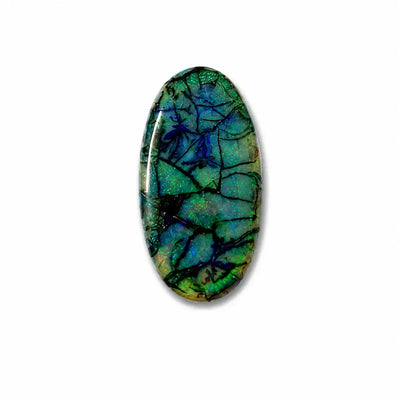
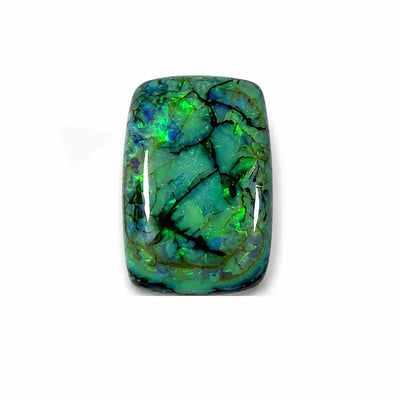
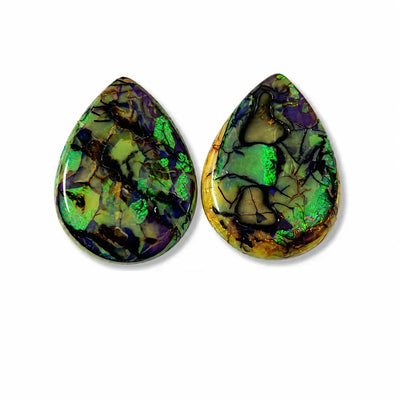
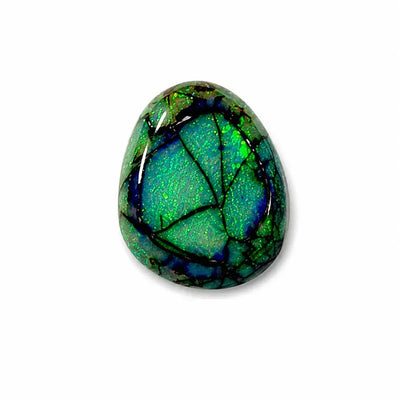
Opal is a hydrated form of silica known for its distinctive appearance and, in many varieties, its characteristic play-of-color. The flashes of blue, green, yellow, orange, and other colors are created by the interaction of light with the gemstone's internal structure.
In simple terms, opal is a unique gemstone valued for its color play, beauty, and variety. There are several types of opal, including white opal, black opal, fire opal, and Ethiopian opal. Each can have a different appearance and is associated with its own aesthetic character.
Opal Stone Meaning: What Does Opal Symbolize?
The central meaning of opal stone is transformation, creativity, hope, and emotional expression. Its ever-changing colors represent change and individuality.
- Transformation: Opal's changing flashes of color can symbolize personal transformation and growth. It is often associated with embracing change rather than resisting it.
- Creativity: Because of its vivid and unpredictable colors, opal has long been connected with imagination and creative expression.
- Hope: Opal is also traditionally associated with optimism and hope. Its luminous appearance can be viewed as a reminder to look beyond difficult moments and embrace new possibilities.
- Love and Emotional Expression: Historically, opal has also been associated with love, loyalty, and emotional connection.
So, if you're wondering what an opal means, its symbolism can be understood through the qualities people have traditionally connected with it: change, creativity, hope, love, and intuition.
What Is the Opal Spiritual Meaning?
The opal spiritual meaning centers on intuition, transformation, emotional awareness, and self-reflection. Its changing play-of-color reflects the evolving nature of our emotions and experiences.
- Intuition & Inner Awareness: Opal is traditionally associated with becoming more aware of your thoughts, emotions, and inner self.
- Transformation & Growth: Its shifting colors can symbolize personal transformation, reminding us that growth often comes through change.
- Emotional Balance: In spiritual traditions, opal is often connected with emotional awareness and balance, encouraging a deeper understanding of feelings.
- Creativity & Self-Expression: The gemstone's vibrant colors are also associated with creativity, imagination, and authentic self-expression.
A Symbolic Reminder: Wearing opal can remind us to embrace change, trust our intuition, and celebrate our individuality.
What Is Opal?
Before exploring its symbolism, it helps to understand the gemstone itself.
Opal is a hydrated form of silica known for its distinctive appearance and, in wide varieties, its characteristic play-of-color. The flashes of blue, green, yellow, orange, and other colors are created by the interaction of light with the gemstone's internal structure.
In simple terms, an opal definition describes it as a unique gemstone valued for its color play, beauty, and variety. There are several types of opal, including white opal, black opal, fire opal, and Ethiopian opal. Each can have a different appearance and is associated with its own aesthetic character.
Opal Stone Meaning: What Does Opal Symbolize?
The central meaning of opal stone symbolizes transformation, creativity, hope, and emotional expression. Its ever-changing colors represent change and individuality.
-
Transformation: Opal's changing flashes of color can symbolize personal transformation and growth. It is often associated with embracing change rather than resisting it.
-
Creativity: Because of its vivid and unpredictable colors, opal has long been connected with imagination and creative expression.
-
Hope: Opal is also traditionally associated with optimism and hope. Its luminous appearance can be viewed as a reminder to look beyond difficult moments and embrace new possibilities.
-
Love and Emotional Expression: Historically, opal has also been associated with love, loyalty, and emotional connection.
So, if you're wondering what is the meaning of an opal, its symbolism can be understood through the qualities people have traditionally connected with it: change, creativity, hope, love, and intuition.
What Is the Opal Spiritual Meaning?
The opal spiritual meaning symbolizes intuition, transformation, emotional awareness, and self-reflection. Its changing play-of-color reflects the evolving nature of our emotions and experiences.
-
Intuition & Inner Awareness: Opal is traditionally associated with becoming more aware of your thoughts, emotions, and inner self.
-
Transformation & Growth: Its shifting colors can symbolize personal transformation, reminding us that growth often comes through change.
-
Emotional Balance: In spiritual traditions, opal is often connected with emotional awareness and balance, encouraging a deeper understanding of feelings.
-
Creativity & Self-Expression: The gemstone's vibrant colors are also associated with creativity, imagination, and authentic self-expression.
A Symbolic Reminder: Wearing opal can remind us to embrace change, trust our intuition, and celebrate our individuality.
Opal Significance Throughout History
Opal has carried different meanings across cultures and centuries, with its unusual play of color inspiring both admiration and superstition.
-
Ancient origins: The name is commonly traced to the Latin opalus and Greek opallios, associated with changing or shifting colors.
-
Roman symbolism: Ancient Romans associated opal with love, hope, and purity.
-
Lucky talisman: Opal was historically revered in some traditions as a symbol of good fortune, vision, and prophecy.
-
European superstition: Later European beliefs sometimes associated opal with bad luck.
-
Changing interpretations: These contrasting beliefs show how the opal significance has evolved across different cultures and historical periods.
Opal Colors and Their Meanings
What color is opal? Opal does not have just one color. It can have white, light, dark, or other body tones, and its play-of-color can flash blue, green, yellow, orange, and other colors. Because its appearance can vary dramatically depending on its type and body color, each opal color is traditionally linked with its own meaning.
- White Opal: White opal is traditionally associated with purity, innocence, serenity, and clarity of mind. Its light body color creates a soft and elegant appearance, making it especially popular in delicate jewelry designs.
- Black Opal: Black opal is known for its darker body tone, which can provide a dramatic background for its play of color. Symbolically, it is often associated with mystery, passion, strength, and protection.
- Fire Opal: Fire opal typically displays warm shades such as yellow, orange, and red. Its vibrant appearance is traditionally connected with energy, enthusiasm, passion, and creativity.
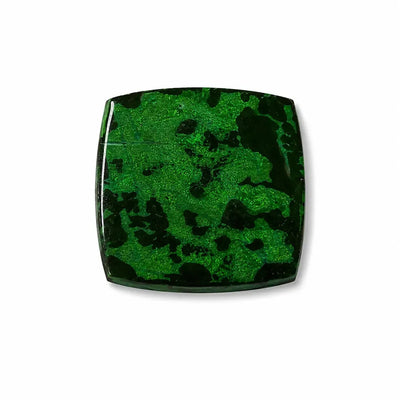
- Green Opal: Green opal is often associated symbolically with emotional renewal, personal growth, and a connection with nature.
These interpretations are part of gemstone symbolism and should be understood as traditional associations rather than scientifically proven properties.
If you would like to see natural opals for yourself, you can explore our raw opal collection.
Opal Stone Benefits and Traditional Beliefs
When people search for opal stone benefits, they are often looking for both the symbolic and traditional meanings associated with the gemstone.
Some traditional beliefs connect opal with:
-
Emotional balance
-
Creativity
-
Self-expression
-
Intuition
-
Personal transformation
-
Hope and optimism
-
Spiritual reflection
These beliefs have contributed to opal's popularity among people who enjoy gemstones for their personal symbolism.
Opal Benefits for Female Wearers
The traditional opal benefits for female wearers are largely connected with symbolism around creativity, emotional expression, intuition, and personal growth.
-
Emotional expression: Traditionally associated with understanding and expressing emotions.
-
Creativity: Often linked with imagination and creative energy.
-
Intuition: Some traditions connect opal with heightened self-awareness and intuition.
-
Personal growth: Its changing colors can symbolize transformation and different stages of life.
-
Individuality: Opal jewelry can represent confidence, uniqueness, and personal expression.
These are traditional or cultural associations rather than scientifically established physical or psychological benefits.
Healing Properties of Opal: What Do Traditions Say?
The healing properties of opal are discussed mainly within crystal and metaphysical traditions, where the gemstone is associated with emotional awareness and inner reflection.
-
Emotional balance: Traditionally believed to symbolize emotional stability and awareness.
-
Self-reflection: Often connected with understanding one's emotions and experiences.
-
Creativity: Associated with imagination and personal expression.
-
Spiritual exploration: Some traditions use opal as a symbol of introspection and spiritual awareness.
-
Self-discovery: Opal can serve as a personal reminder of growth and emotional development.
These are traditional metaphysical beliefs and should not be considered medical treatments or scientifically proven healing effects.
Metaphysical Properties of Opal
The metaphysical properties of opal are traditionally linked with intuition, self-awareness, emotional expression, and spiritual exploration.
In crystal traditions, its changing colors are sometimes interpreted as representing different emotional states and layers of personal experience.
Common symbolic associations include:
-
Intuition and inner awareness
-
Emotional expression
-
Creativity and imagination
-
Transformation
-
Spiritual reflection
-
Personal growth
Again, these interpretations belong to metaphysical traditions rather than established scientific evidence.
Read More: Gemstone vs Crystal
What Are the Opal Benefits?
Beyond its spiritual associations, one of the main opal benefits is its ability to add distinctive character to jewelry.
No two opals necessarily look exactly alike. Their color patterns, flashes, and internal features can give each stone an individual appearance.
This makes opal especially appealing to people who prefer jewelry that feels personal rather than mass-produced.
Opal can be styled in:
-
Rings
-
Pendants
-
Earrings
-
Bracelets
-
Statement jewelry
-
Everyday gemstone pieces
Its versatility allows it to work with both minimalist and more elaborate jewelry designs.
Opal Stone Meaning and Uses
The opal stone meaning and uses are closely connected to both its symbolism and its beauty.
Traditionally, opal has been worn as jewelry and appreciated as a gemstone with emotional and spiritual symbolism.
Today, it is commonly used in:
-
Opal Jewelry: Opal can be incorporated into rings, necklaces, pendants, bracelets, and earrings. Its play-of-color makes even a simple jewelry design visually distinctive.
-
Personal Symbolism: Some people choose opal to represent a particular stage of life, personal transformation, creativity, or emotional growth.
-
Birthstone Jewelry: Opal is traditionally associated with October and is often selected for October birthstone jewelry.
Ethiopian Opal: A Popular Modern Variety
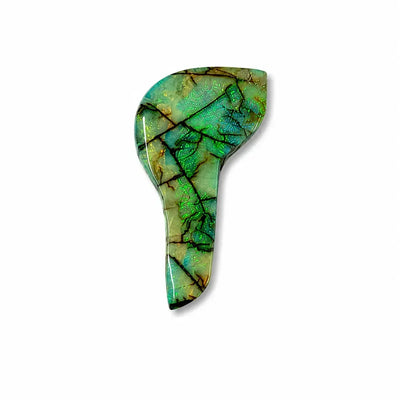
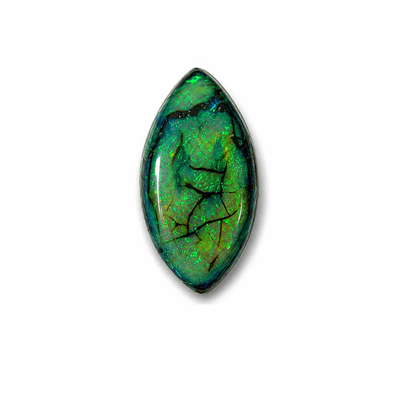
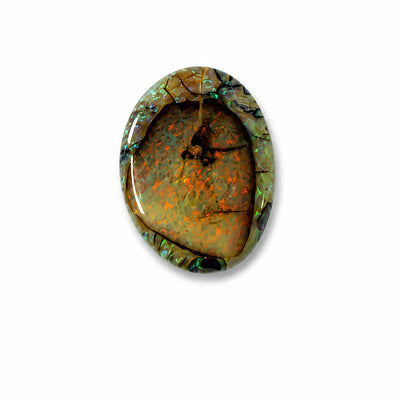
Known for its vibrant appearance and distinctive patterns, Ethiopian opal has become a popular choice among modern gemstone enthusiasts.
- Vibrant play-of-color: Ethiopian opals can display flashes of multiple colors across their surface.
- Distinctive patterns: Each stone can feature its own combination of colors and patterns.
- Varied appearance: They can occur in different body tones and visual characteristics.
- Contemporary appeal: Their lively appearance works particularly well in modern jewelry designs.
- Jewelry use: Ethiopian opal pendant designs provide an elegant way to showcase the gemstone's natural color play.
Wondering how it compares with Australian opal? Read our guide on Ethiopian opal vs Australian opal.
Raw Opal vs. Cut and Polished Opal
The choice between raw opal and a cut, polished stone comes down to whether you prefer natural character or a refined, jewelry-ready appearance.
-
Raw Opal: Natural, uncut, or minimally processed opal that retains more of its original surface and structure.
-
Natural character: Raw specimens can reveal unique textures, patterns, and formations.
-
Collector appeal: Each raw piece can have an individual appearance, making it interesting for gemstone collectors.
-
Cut and polished opal: Shaped and finished to enhance its appearance and prepare it for use in jewelry.
-
Best for jewelry: Polished opal generally offers a more refined finish for rings, pendants, earrings, and other jewelry designs.
-
Choosing between them: Select raw opal for its natural character or polished opal for a finished, jewelry-ready look.
How to Choose an Opal
When selecting an opal, look beyond its basic color. Consider:
-
Play-of-Color: The intensity, pattern, and range of colors can significantly influence an opal's visual appeal.
-
Body Tone: Opals may have white, light, dark, or other body tones depending on their variety.
-
Pattern: Look at how the colors move across the stone. Some patterns may appear broad and dramatic, while others can be delicate and scattered.
-
Transparency: Some opals have a more translucent appearance, while others are more opaque.
-
Craftsmanship: If you're purchasing opal jewelry, also consider the setting, metal quality, finishing, and overall construction.
Once you have chosen your opal, look after it properly. Our guide on how to clean opal jewelry covers safe care tips.
Opal Jewelry at Hornet Gems
At Hornet Gems, opal can be appreciated not only for its striking appearance but also for the individuality it brings to jewelry.
Whether you are drawn to a colorful pendant, a subtle gemstone design, or the natural character of an individual opal, the gemstone offers plenty of room for personal expression.
An opal piece can be more than an accessory. For many jewelry lovers, its changing colors and traditional symbolism make it a meaningful addition to a personal collection.
Conclusion
At Hornet Gems, opal can be appreciated not only for its striking appearance but also for the individuality it brings to jewelry.
Whether you are drawn to a colorful pendant, a subtle gemstone design, or the natural character of an individual opal, the gemstone offers plenty of room for personal expression. You can explore our opal pendant collection, opal cabochons, and raw opal.
An opal piece can be more than an accessory. For many jewelry lovers, its changing colors and traditional symbolism make it a meaningful addition to a personal collection.
Read More: How Much Is Opal Worth? A Complete Opal Price Guide (2026)
FAQs:
Q1: What Does Opal Mean?
Ans: Opal is traditionally associated with transformation, creativity, hope, love, and intuition. Its changing play-of-color is often interpreted as a symbol of life's changing and multifaceted nature.
Q2: What Are the Benefits of Wearing Opal?
Ans: Traditional beliefs associate wearing opal with creativity, emotional expression, intuition, and personal transformation. These are symbolic or metaphysical beliefs rather than scientifically proven physical benefits.
Q3: What Does Opal Mean Spiritually?
Ans: Spiritually, opal is traditionally associated with intuition, self-reflection, emotional awareness, creativity, and transformation. Its meaning can vary depending on personal and cultural beliefs.
Q4: What Does Opal Represent and Symbolize?
Ans: Opal traditionally represents transformation, hope, creativity, individuality, love, purity, intuition, and emotional expression. Its shifting colors are often viewed as a reflection of life's changing experiences, and different opal colors may carry different symbolic associations.
Q5: What Color Is Opal?
Ans: Opal does not have just one color. It can have white, light, dark, or other body tones, and its play-of-color can flash blue, green, yellow, orange, and other colors. Traditionally, white opal is linked with purity, black opal with mystery and protection, fire opal with energy and passion, and green opal with renewal and growth.
Q6: What Are the Different Types of Opal?
Ans: White opal, black opal, fire opal, and Ethiopian opal are all popular varieties. Each can have a different appearance and its own aesthetic character, so the preferred type depends on personal taste, color preferences, play-of-color, and jewelry style.
Q7: Is Opal a Birthstone?
Ans: Opal is traditionally associated with October and is often selected for October birthstone jewelry.