Cart
0

Raw opals are among the most fascinating gemstones in the world. Their natural patterns, hidden flashes of color, and organic textures make every stone unique. But for beginners and even some collectors, distinguishing a genuine raw opal from common rock material or imitation stones can be difficult.
So, how to identify raw opal correctly?
In this guide, you’ll learn what raw opals look like, how to recognize natural fire patterns, how to test raw opal in water, and the key characteristics gemstone buyers should know before purchasing. Whether you are a crystal collector, jewelry enthusiast, or gemstone reseller, this guide will help you identify authentic raw opal with confidence.
What Is Raw Opal?
Raw opal is a natural opal gemstone in its unpolished and untreated form. Unlike finished cabochons or polished jewelry stones, raw opals are mined directly from the earth and retain their natural surface texture, matrix, and formation patterns.
Most raw opals contain:
-
Natural host rock or matrix
-
Uneven surfaces
-
Internal fire or color play
-
Organic mineral patterns
-
Rough edges and inclusions
Because of their untouched appearance, raw opals are highly valued by collectors, crystal lovers, lapidary artists, and handmade jewelry creators.
What Does Raw Opal Look Like?
One of the most searched questions online is: What does raw opal look like?
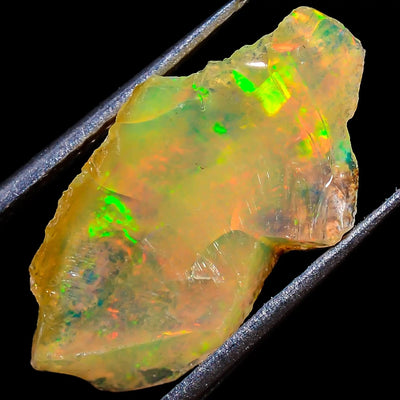
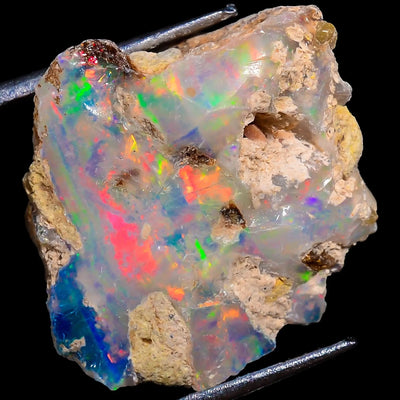
Natural raw opals can appear very different depending on their origin and opal type. Some look like ordinary rock from the outside, while others display vibrant flashes of rainbow fire immediately under light.
Common Characteristics of Raw Opal
1. Color Play (Fire)
The biggest identifying feature of precious opal is its “play-of-color,” also called opal fire. This occurs when the stone reflects multiple colors under light.
You may see:
-
Blue flashes
-
Green fire
-
Orange or red sparks
-
Rainbow reflections
-
Iridescent color movement
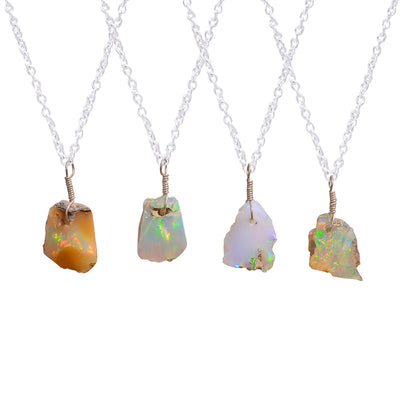
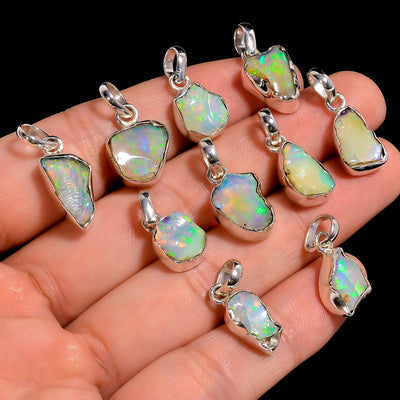
High-quality Raw Ethiopian opal fire play is especially known for vivid neon-like flashes.
2. Natural Uneven Surface
Raw opals rarely look perfectly smooth. Authentic stones usually have:
-
Cracks
-
Rough texture
-
Natural pits
-
Host rock attached
-
Irregular formation lines
If the stone looks too perfect, glossy, or artificially shaped, it may not be genuine raw opal.
3. Translucent or Milky Body
Some raw opals appear:
-
Milky white
-
Honey-like
-
Transparent
-
Smoky
-
Crystal-clear with fire
Ethiopian opals often become more translucent when exposed to moisture.
4. Matrix or Host Rock
Many raw opals form inside ironstone, sandstone, or volcanic rock.
This is especially common in:
-
Boulder opals
-
Australian opals
-
Mexican opals
The natural matrix attached to the gemstone is often a good sign of authenticity.
Read More: How to Tell If an Opal Is Real?
What Do Raw Opals Look Like in Different Types?
Not all opals look the same. Understanding the different varieties helps with proper raw opal identification.
Ethiopian Raw Opal
Features:
-
Bright fire play
-
Translucent body
-
Honey or crystal appearance
-
Hydrophane properties (absorbs water)
Popular among jewelry makers because of its intense color flashes.
Boulder Opal
If you’re wondering about boulder how to identify raw opal, look for:
-
Ironstone matrix attached
-
Natural veins of color
-
Earthy brown backing
-
Thin opal seams inside the rock
Boulder opals are often heavier because of the host rock content.
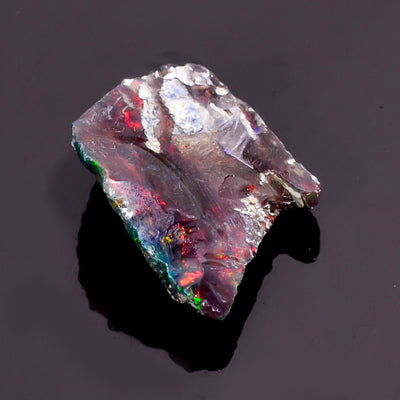
Black Opal
Characteristics:
-
Dark body tone
-
Strong contrast
-
Bright neon fire
-
Rare and valuable
These are considered some of the most expensive opals in the world.
White or Common Opal
Usually:
-
Milky appearance
-
Softer color flashes
-
Less intense fire
-
Cloudy texture
Some common opals may not show strong rainbow fire at all.
Also Read: How is Opal Formed?
How to Identify Raw Opal Naturally
If you are buying gemstones online or from a local seller, these practical methods can help you identify genuine opal. Moreover, to know what do raw opals look like take a look below:
Check for Play-of-Color
Rotate the stone under direct light.
Natural opals display moving flashes that shift as the angle changes. Fake opals often show:
-
Static patterns
-
Artificial glitter
-
Repeating color designs
Real opal fire appears random and organic.
Examine the Surface Texture
Authentic raw opals are rarely perfectly polished in rough form.
Look for:
-
Natural fractures
-
Uneven growth patterns
-
Matrix inclusions
-
Raw mineral texture
Machine-made imitation stones usually appear overly uniform.
Inspect Under Magnification
Using a jeweler’s loupe can reveal:
-
Natural inclusions
-
Internal layering
-
Organic color distribution
Synthetic opals often show repetitive “snake skin” or mosaic-like patterns.
Observe Color Depth
Natural opal fire usually appears layered within the stone rather than sitting only on the surface.
A genuine opal has depth and movement when rotated in light.
How to Identify Raw Opal in Water
Another common question is: how to identify raw opal in water?
Some opals, especially Ethiopian hydrophane opals, absorb water temporarily. When submerged:
-
The stone may become more transparent
-
Fire patterns can change
-
Colors may appear muted temporarily
-
Weight can slightly increase
However, this does NOT mean the opal is fake.
Important Note
Do not leave hydrophane opals in water for extended periods. Excessive moisture exposure can temporarily alter appearance and, in some cases, increase the risk of cracking during drying.
For gemstone collectors and jewelry buyers, understanding water sensitivity is important before purchasing raw Ethiopian opals.
Signs of Fake or Imitation Raw Opal
The gemstone market contains many imitation opals made from glass, resin, or synthetic lab-created materials.
Warning Signs Include:
-
Perfectly Repeating Patterns
-
Natural opals are random. Identical patterns often indicate synthetic material.
-
Plastic-Like Appearance
-
Fake opals may look overly glossy or lightweight.
-
Unrealistically Bright Uniform Fire
-
If every section glows evenly with identical colors, it could be artificial.
-
No Natural Inclusions
-
Completely flawless rough stones are uncommon in nature.
Why Raw Ethiopian Opal Fire Play Is So Popular
Among collectors and jewelry designers, Ethiopian opals are highly desirable because of their intense fire play.
The vibrant rainbow flashes make them ideal for:
-
Handmade jewelry
-
Wire wrapping
-
Crystal collections
-
Luxury gemstone pendants
-
Spiritual gemstone practices
Many collectors specifically seek raw Ethiopian opal fire play because every stone displays unique natural patterns that cannot be duplicated.
Tips Before Buying Raw Opal Online
Buying raw gemstones online requires careful inspection. You can check the hornet gems collection and compare the best ones. Look at the tips below to find your gemstone:
Always Check:
-
Multiple natural-light photos
-
Videos showing fire movement
-
Seller transparency
-
Stone origin details
-
Whether the opal is treated or untreated
Trusted gemstone sellers usually provide detailed descriptions and close-up imagery.
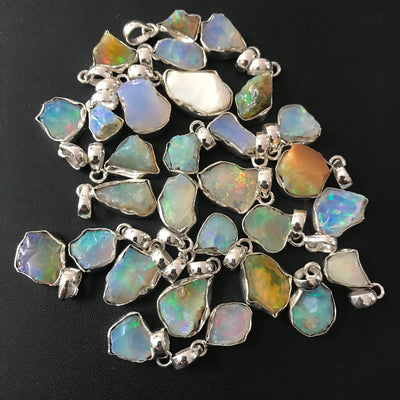
How Raw Opal Is Used in Jewelry
Raw opals are increasingly popular in:
-
Handmade gemstone necklaces
-
Raw crystal rings
-
Sterling silver pendants
-
Artisan jewelry
-
Bohemian luxury accessories
Because no two stones are alike, raw opal jewelry feels highly personal and collectible.
For collectors and jewelry lovers looking for naturally unique gemstones, exploring authentic Raw Opal selections can help you discover one-of-a-kind stones suitable for collections, lapidary work, or handmade jewelry designs.
Conclusion
Learning how to identify raw opal becomes easier once you understand the stone’s natural characteristics. Genuine raw opals typically display organic textures, uneven surfaces, natural inclusions, and unique fire patterns that shift beautifully under light.
Whether you are purchasing for collecting, jewelry making, spiritual use, or resale, understanding proper raw opal identification helps you avoid imitations and invest in authentic gemstones with confidence. From subtle milky stones to vibrant raw Ethiopian opal fire play, every natural opal carries its own geological beauty, which is exactly what makes these gemstones so captivating to collectors around the world.
FAQs:
Q1: How Can You Tell If a Raw Opal Is Real?
Ans: Real raw opals usually show natural color movement, uneven textures, inclusions, and organic fire patterns that change under light
Q2: What Does Raw Opal Look Like Before Polishing?
Ans: Before polishing, raw opal often appears rough, irregular, and partially covered with natural host rock or matrix.
Q3: Does Raw Opal Change Color in Water?
Ans: Some Ethiopian hydrophane opals temporarily become more transparent or change appearance after absorbing water.
Q4: Are Raw Ethiopian Opals Valuable?
Ans: Yes. High-quality Ethiopian opals with strong fire play are highly valued by collectors and jewelry designers worldwide.