Cart
0

Opals are among the most captivating gemstones in the world, admired for their mesmerizing play of color and unique appearance. Unlike harder gemstones such as diamonds or sapphires, opals contain water within their structure, making them more delicate and sensitive to environmental conditions. Understanding how to care for opals is essential for maintaining the beauty of your gemstone or jewelry for years to come.
Whether you own an opal ring, pendant, loose stone, or collector's specimen, proper opal care can help prevent cracking, dullness, and other forms of damage. In this guide, we'll explain everything you need to know about caring for these stunning gemstones.
What Makes Opals Unique?
Opals are formed from hydrated silica and can contain anywhere from 3% to 21% water. This natural water content contributes to their brilliant flashes of color but also makes them more sensitive than many other gemstones. Due to their unique composition, opals can react to sudden temperature changes, prolonged dryness, harsh chemicals, and rough handling. That’s why learning how to care for an opal properly is crucial for maintaining its value and appearance.
Why Proper Opal Care Matters
Proper opal care helps:
-
Preserve the gemstone's play of color
-
Prevent cracking and crazing
-
Maintain its polished finish
-
Protect jewelry settings from wear
-
Extend the lifespan of your gemstone
With the right care routine, opals can remain beautiful heirloom pieces for generations.
The Golden Rules of Opal Care
Here are the essential guidelines you should follow to care for opal:
Avoid Harsh Chemicals
Opals are porous gemstones, which means they can absorb substances from their surroundings. Perfumes, hair sprays, cosmetics, cleaning agents, and household chemicals may damage the stone's surface or reduce its brilliance. Always apply beauty products before putting on your opal jewelry and avoid exposing your gemstone to harsh cleaning solutions.
Protect Opals from Extreme Heat
One of the most important rules in caring for opal gemstones is to avoid excessive heat. Sudden temperature changes can cause stress within the stone and potentially lead to cracking, often referred to as "crazing." Avoid leaving opals in:
-
Direct sunlight for extended periods
-
Hot vehicles
-
Saunas and steam rooms
-
Near heaters or fireplaces
Maintaining a stable environment helps preserve the stone's natural moisture.
Remove Opals During Physical Activities
Although opals are durable enough for jewelry, they can be scratched or chipped by impacts. Remove opal rings, bracelets, and other jewelry before:
-
Gardening
-
Exercising
-
Washing dishes
-
Home repairs
-
Heavy lifting
These simple precautions can significantly reduce the risk of accidental damage.
Handle with Care
Store and wear your opals gently. Avoid dropping them or allowing them to come into contact with harder gemstones such as diamonds, rubies, or sapphires. If you are wondering how do you care for opals, treat them with the same care you would give to any delicate and valuable possession.
How to Clean Opals Safely
Many gemstone owners ask how to clean opals without causing damage. Fortunately, cleaning opals is straightforward when done correctly. Follow these steps:
-
Fill a bowl with lukewarm water.
-
Add a small amount of mild soap.
-
Dip a soft cloth into the solution.
-
Gently wipe the surface of the opal.
-
Rinse with clean water if necessary.
-
Pat dry using a soft microfiber cloth.
Cleaning Methods to Avoid
Never use:
-
Ultrasonic cleaners
-
Steam cleaners
-
Abrasive brushes
-
Bleach
-
Strong chemical cleaners
These methods can damage the gemstone's surface or weaken assembled opals, such as doublets and triplets.
Read Also: How to Identify Raw Opal
How to Store Opals Properly
Storage plays a major role in the long-term preservation of gemstones.
Store Separately
Keep opals in:
-
Soft fabric pouches
-
Lined jewelry boxes
-
Individual compartments
Storing opals separately prevents scratches from harder gemstones.
Avoid Extremely Dry Conditions
Since opals naturally contain moisture, extremely dry environments can sometimes affect certain varieties over long periods. If you live in a particularly arid climate, avoid storing opals near heating vents or in excessively dry locations.
Keep Them Away from Direct Sunlight
Extended exposure to heat and sunlight may gradually affect the gemstone. A cool, stable storage environment is ideal.
Special Care for Ethiopian Opal
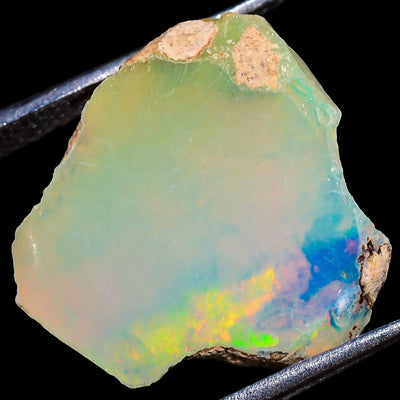
Ethiopian opal gemstones are highly sought after for their vibrant colors and stunning patterns. However, many Ethiopian opals are hydrophane, meaning they can absorb water more readily than some other opal varieties.
To protect Ethiopian opals, follow these guidelines:
-
Avoid prolonged soaking in water.
-
Remove jewelry before swimming.
-
Allow any absorbed moisture to evaporate naturally if exposure occurs.
-
Store opals in a stable environment.
With proper care, Ethiopian opals can maintain their spectacular appearance for many years.
Caring for Raw Opal Specimens
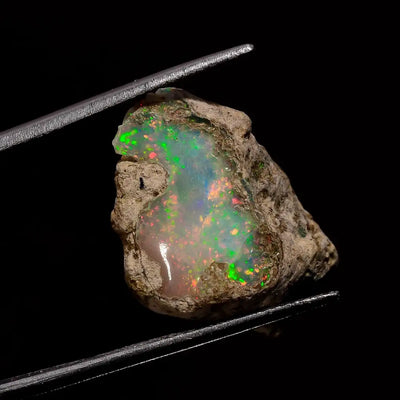
Collectors of raw opal stones should follow a slightly different care routine. Since raw opal are often unpolished and may have exposed natural surfaces, they require extra protection from impacts and environmental stress.
Here are some tips for caring for raw opals:
-
Handle specimens carefully.
-
Avoid dropping or knocking them against hard surfaces.
-
Store them in protective display cases.
-
Keep them away from harsh chemicals and extreme temperatures.
These simple steps will help preserve the natural beauty of raw opal specimens.
Common Mistakes to Avoid
Knowing how to take care of opals also involves recognizing common mistakes. Avoid the following:
-
Using Ultrasonic Cleaners: These devices can create vibrations that may damage opals.
-
Wearing Opals During Heavy Work: Physical impacts increase the risk of scratches and chips.
-
Exposing Opals to Rapid Temperature Changes: Quickly moving between hot and cold environments can stress the gemstone.
-
Storing Opals with Hard Gemstones: Diamonds and sapphires can easily scratch opals if stored together.
Make sure to choose quality opals from a trusted source. The quality of your gemstone plays a significant role in its longevity. Purchasing from reputable suppliers ensures you receive authentic, properly handled stones.
At Hornet Gems, gemstone enthusiasts can explore a beautiful selection of natural opals and other unique gemstones, all sourced with quality and authenticity in mind.
Conclusion
Learning how to care for opals is essential for preserving the beauty and value of these extraordinary gemstones. By protecting them from harsh chemicals, extreme temperatures, and physical impacts, you can keep your opals looking vibrant for years to come.
Whether you own a stunning Ethiopian opal, a natural raw specimen, or elegant opal jewelry, following these simple care practices will help ensure your gemstone remains as captivating as the day you acquired it. Proper care for opals is not complicated; it simply requires consistency, attention, and a little extra care for one of nature's most remarkable treasures.
FAQs:
Q1: How Do You Care for Opals Every Day?
Ans: Wear opals carefully, avoid harsh chemicals, protect them from impacts, and store them separately when not in use.
Q2: Can Opals Get Wet?
Ans: Brief contact with water is generally safe for solid opals. However, prolonged soaking should be avoided, especially for hydrophane Ethiopian opals and assembled opals such as doublets and triplets.
Q3: How Do You Clean Opals?
Ans: Use lukewarm water, mild soap, and a soft cloth. Avoid ultrasonic cleaners, steam cleaners, and abrasive materials.
Q4: Can Opals Crack Over Time?
Ans: Yes, opals can develop cracks if exposed to extreme temperature fluctuations, physical impacts, or improper storage conditions. Proper care significantly reduces this risk.