Cart
0

Written by Katarina Alves · Last updated: October 16, 2026
Some gemstones captivate with their sparkle, while others display a mesmerizing light beneath the surface. Moonstone vs labradorite fall into the latter category. Both are feldspar gemstones that exhibit beautiful color flashes, but they offer distinctly different experiences. Moonstone is known for its soft, floating glow, whereas labradorite is celebrated for its dramatic flashes of blue, green, and gold. This uniqueness makes choosing between them intriguing.
This guide compares their appearance, optical effects, mineral differences, jewelry suitability, pricing, and compatibility for wearing together.
Quick Answer
Moonstone and labradorite are both feldspar gemstones, but they look different:
- ◆Moonstone: a soft, floating glow called adularescence on a pale body.
- ◆Labradorite: sharp flashes of blue, green, or gold on a darker body, called labradorescence.
- ◆Hardness: both are about 6–6.5 on the Mohs scale.
Good to know: stones sold as “rainbow moonstone” can actually be white labradorite.
What Is Moonstone?
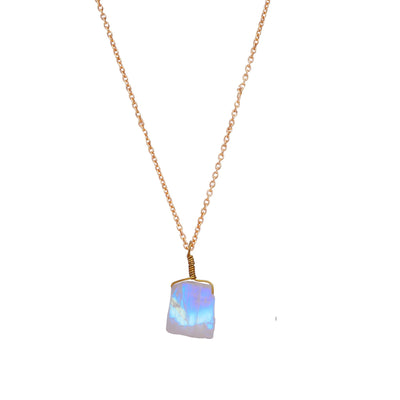
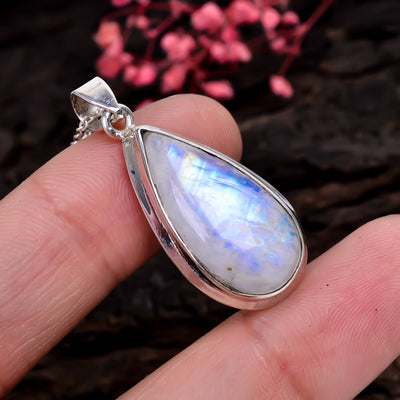
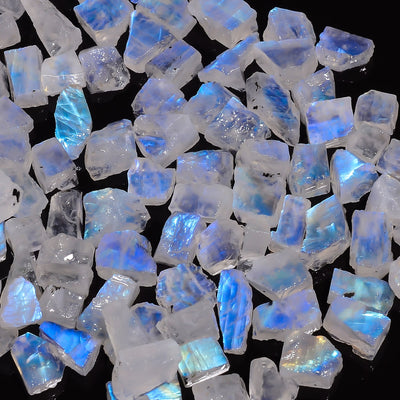
Moonstone is a feldspar gemstone known for its unique glow. It exhibits adularescence, a soft, floating light beneath its surface, which is a key characteristic of classic moonstone.
Moonstone can appear in shades such as
-
White
-
Cream
-
Peach
-
Gray
-
Nearly colorless
Its gentle appearance gives it a naturally elegant quality. Instead of demanding attention through intense color, it creates a quieter effect that changes as the gemstone moves under light.
This is part of the appeal of a moonstone crystal. Its beauty comes from subtle movement and depth rather than conventional sparkle.
Read More: Rainbow Moonstone Meaning: Benefits, Properties & Uses
What Is Labradorite?
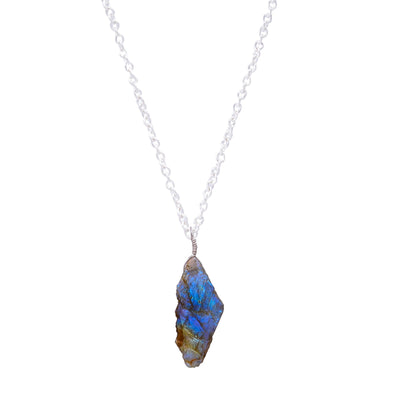
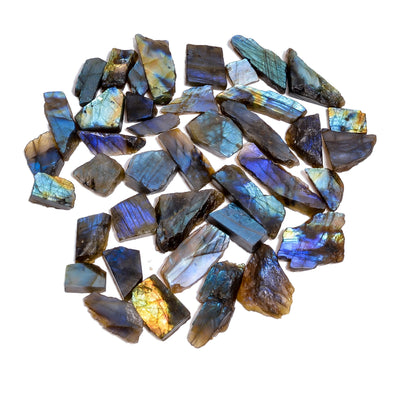
Labradorite, part of the plagioclase feldspar group, features darker colors like gray, brown, and black. Its unique optical effect, labradorescence, creates vivid flashes of color when turned in the light.
-
Electric blue
-
Green
-
Gold
-
Orange
-
Purple
The effect can be sharp and almost metallic, giving the gemstone a much more dramatic visual personality.
A high-quality labradorite stone can therefore look completely different from one angle to another, which is one of the reasons collectors and jewelry lovers find it so captivating.
Read More: Labradorite Meaning: Spiritual Meaning, Properties & Benefits
Moonstone vs Labradorite: The Key Differences
At a glance, the difference between moonstone and labradorite can seem small because both belong to the feldspar family and both are valued for their interaction with light.
Look a little closer, though, and the distinction becomes much clearer.
|
Feature |
Moonstone |
Labradorite |
|
Feldspar Group |
Alkali feldspar |
Plagioclase feldspar |
|
Typical Body Color |
White, cream, peach, gray, or colorless |
Dark gray, charcoal, brown, or black |
|
Optical Effect |
Adularescence |
Labradorescence |
|
Appearance of Light |
Soft, floating glow |
Sharp, colorful flashes |
|
Common Colors |
White and pale blue |
Blue, green, gold, orange, purple |
|
Mohs Hardness |
Around 6–6.5 |
Around 6–6.5 |
|
Overall Character |
Soft and luminous |
Dramatic and high-contrast |
The Labradorite vs Moonstone question therefore is not simply about which gemstone looks prettier. They create two very different visual experiences.
How Their Colors and Light Effects Compare
The most noticeable difference between moonstone and labradorite is the way each gemstone interacts with light. While both are known for their optical effects, the visual experience they create is completely different.
Moonstone Has a Soft Glow
-
Moonstone is known for its soft, floating glow, called adularescence.
-
The light can appear milky, bluish, or almost ethereal as it moves beneath the surface of the gemstone.
-
Unlike a sharp flash, the glow is subtle and spreads gently across the stone.
-
When the gemstone is tilted under light, its sheen can shift, creating a beautiful sense of depth and movement.
-
This gentle effect gives moonstone and labradorite very different visual personalities, with moonstone leaning toward a softer and more understated look.
-
Its luminous appearance makes moonstone especially appealing in elegant jewelry where the gemstone is meant to create a refined focal point.
Labradorite Creates a Strong Flash
-
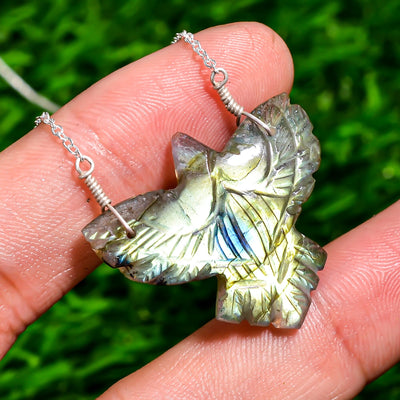
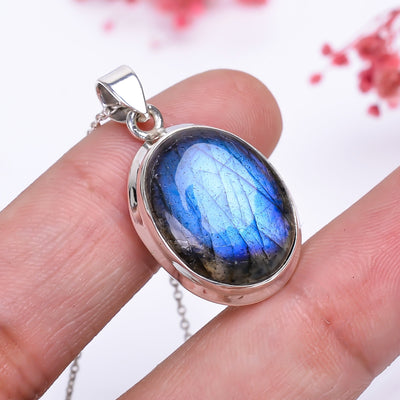
Labradorite is known for labradorescence, an optical effect that produces striking flashes of color.
-
Its darker gray, charcoal, or black body creates strong contrast against the colors that appear within the stone.
-
Depending on the viewing angle, a single gemstone can reveal flashes of vivid blue, green, gold, orange, or purple.
-
Unlike the gentle glow associated with moonstone, labradorite's color can appear suddenly and dramatically as the stone moves.
-
In the Labradorite vs Moonstone comparison, this stronger color contrast is one of the easiest ways to distinguish the two.
-
The changing flashes also give each natural labradorite specimen its own character, making it especially appealing to those who enjoy gemstones with a bold and dynamic appearance.
Why Are Moonstone and Labradorite Sometimes Confused?
The confusion between these gemstones is not entirely surprising.
Both are feldspar minerals, and both can show beautiful optical effects. In addition, some stones sold as “rainbow moonstone” are actually white labradorite displaying colorful flashes.
This is why searches for labradorite moonstone can sometimes lead to overlapping information. The names may be used loosely in jewelry and gemstone descriptions, even though the mineral identity can be different.
So, is labradorite a moonstone?
Not exactly. Classic moonstone (alkali feldspar, known for adularescence) and labradorite (plagioclase feldspar, known for labradorescence) are different gemstones. The confusion comes from the trade name "rainbow moonstone", which is often used for white labradorite showing colorful flashes. So a stone sold as rainbow moonstone may be labradorite, while classic moonstone is not. This distinction matters when buying gemstones, as similar appearances don't mean they are the same material.
How to Tell Moonstone from Labradorite
Because the two stones share an optical family and sometimes a trade name, a quick visual check can help. These are general guides, not a lab test.
- Look at the body color. Moonstone usually has a pale, translucent body in white, cream, peach, or gray. Labradorite usually has a darker body such as gray, charcoal, brown, or black.
- Tilt the stone under light. Moonstone shows a soft, milky or bluish glow that moves gently beneath the surface. Labradorite shows sharper flashes of color that appear at certain angles and can fade as you turn the stone away.
- Check the colors you see. A pale blue sheen points toward classic moonstone. Vivid blue, green, gold, orange, or purple flashes point toward labradorite.
- Be careful with the name "rainbow moonstone". A pale stone with strong colorful flashes sold under this name may be white labradorite.
- Ask for the stone identification. If the exact material matters to you, ask the seller what the stone is. A gem lab report can confirm it.
Body color alone is not enough, since labradorite can also be pale. Always judge the type of light effect together with the color.
Which Gemstone Is Better for Jewelry?
There is no single winner.
The right choice depends on the kind of jewelry you want and the visual character you prefer.
Choose Moonstone If You Prefer:
-
Soft and luminous gemstones
-
White, cream, peach, or translucent tones
-
A subtle play of light
-
Romantic and elegant designs
-
A more delicate overall appearance
Moonstone works beautifully when you want a gemstone that feels refined without being overly bold.
Choose Labradorite If You Prefer:
-
Darker gemstone colors
-
Strong blue or multicolor flashes
-
Dramatic contrast
-
More unusual natural patterns
-
A statement or collector-inspired aesthetic
Labradorite tends to make a stronger visual impression, particularly when its color flashes are vivid and well distributed.
Both gemstones have a Mohs hardness of 6–6.5, making them suitable for jewelry with proper care. They can be scratched by harder materials and may be damaged by strong impacts.
For frequently worn jewelry, the setting and design should be considered along with the gemstone.
Can You Wear Moonstone and Labradorite Together?
Yes, the contrast between the two can make them especially interesting when styled together.
Moonstone and labradorite together create a balance between softness and drama. Moonstone brings a pale, floating glow, while labradorite introduces darker tones and stronger flashes of color.
A thoughtful labradorite and moonstone combination can work beautifully in:
-
Layered necklaces
-
Gemstone bracelets
-
Coordinated rings
-
Earrings
-
Mixed gemstone jewelry sets
The key is contrast rather than trying to make the two gemstones look identical.
A pale moonstone beside a darker labradorite can make the individual qualities of both stones more noticeable.
If you already enjoy wearing different natural gemstones together, there is no need to choose only one.
Moonstone vs Labradorite Meaning
Many buyers also compare these stones for their symbolic meaning. In crystal-healing and spiritual traditions, the two are described differently. These are cultural beliefs and not scientific facts.
- Moonstone is traditionally linked with intuition, new beginnings, and emotional balance. Its soft glow is often compared to moonlight.
- Labradorite is traditionally linked with transformation, protection, and inner strength. Its sudden color flashes are often described as magical.
For a deeper look, read our full guides on rainbow moonstone meaning, benefits and properties and labradorite meaning, spiritual meaning and benefits.
Labradorite vs Moonstone Price
When comparing labradorite vs moonstone price, there is no universal rule that one gemstone will always cost more.
The value of a natural gemstone can depend on several factors, including:
- Size
- Color
- Clarity
- Transparency
- Quality of the optical effect
- Cut and shape
- Overall appearance
- Rarity of the individual specimen
For labradorite, strong and attractive color flashes can significantly influence desirability. A stone with vivid blue or multicolor labradorescence can be particularly appealing.
For moonstone, the quality and visibility of its adularescence are important considerations. A beautifully positioned blue sheen can make a specimen much more desirable than one with a weak or poorly positioned glow.
This means that comparing two individual gemstones is generally more useful than assuming one variety is automatically more expensive.
How to Compare Prices Fairly
- Compare similar sizes and cuts. A larger or better-shaped stone is not comparable to a small one.
- Judge the optical effect. For labradorite, look at how vivid and well spread the flashes are. For moonstone, look at how visible and well placed the glow is.
- Compare stones, not names. Since "rainbow moonstone" can be labradorite, ask what the stone actually is before comparing prices.
- Look at transparency and overall appearance in clear photos or video, not only the listing title.
How to Choose Between the Two
Think about the mood you want your labradorite and moonstone gemstone jewelry to create.
-
Moonstone feels soft, luminous, and understated: It works well for someone who appreciates delicate color, gentle light, and timeless elegance.
-
Labradorite feels mysterious, dramatic, and expressive: It is a natural choice for someone who loves darker gemstones and enjoys watching unexpected flashes of color appear as the stone moves.
There is also nothing wrong with choosing based simply on the gemstone that catches your eye first. Natural stones are individual by nature, and two specimens of the same variety can look remarkably different.
That individuality is part of what makes collecting natural gemstones so rewarding.
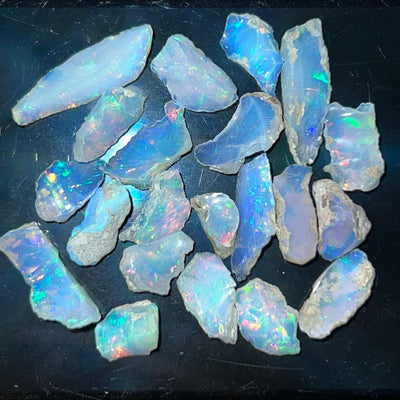
For those who enjoy exploring different gemstone styles, opal cabochons offer another way to appreciate the beauty of natural color, pattern, and polished surfaces.
Conclusion
The moonstone and labradorite, both part of the feldspar family, offer distinct visual experiences. Moonstone features a soft glow, while labradorite showcases vibrant contrasts and color flashes. Each appeals to different tastes in gemstone beauty. At Hornet Gems, we celebrate the unique qualities of gemstones, emphasizing natural color, individuality, and timeless beauty. For those seeking alternatives, our collection of Ethiopian Opals provides another chance to explore remarkable natural gemstones.
FAQs:
Q1: Which is better, moonstone or labradorite?
Ans: Neither is objectively better. Moonstone has a soft glow, while labradorite shows vibrant color flashes. Your choice depends on personal style.
Q2: Can I wear moonstone and labradorite together?
Ans: Yes, they can create an appealing contrast in jewelry through layered or coordinated styles.
Q3: Are Labradorite and Moonstone good for everyday wear in jewelry?
Ans: Both can be worn, but with care due to their Mohs hardness of 6–6.5. Avoid strong impacts.
Q4: Is moonstone the same as labradorite?
Ans: No. Classic moonstone shows adularescence and belongs to the alkali feldspar group, while labradorite shows labradorescence and belongs to the plagioclase feldspar group. The exception is the trade name "rainbow moonstone", which is often white labradorite.
Q5: Which is more expensive, labradorite or moonstone?
Ans: Prices vary based on factors like size, color, and quality; neither is consistently more expensive.
Q6: What is rainbow moonstone?
Ans: Rainbow moonstone is a trade name often used for white or pale labradorite that shows colorful flashes. It looks similar to classic moonstone, but the stone itself is labradorite.